
Network congestion has become one of the most pressing challenges in our hyper-connected world, affecting everything from remote work productivity to entertainment streaming experiences. 🌐

As our digital appetite grows exponentially, the infrastructure supporting our connectivity struggles to keep pace. From overcrowded Wi-Fi networks in apartment buildings to cellular towers overwhelmed during peak hours, bandwidth bottlenecks create frustration and inefficiency across personal and professional settings. Understanding the root causes of network congestion and implementing smart solutions has never been more critical for maintaining seamless digital experiences.
The complexity of modern networks demands innovative approaches that go beyond simply adding more bandwidth. Intelligent traffic management, optimized protocols, and user-aware technologies are reshaping how we tackle connectivity challenges in residential, commercial, and public environments.
Understanding the Modern Network Congestion Challenge 📊
Network congestion occurs when data demand exceeds the available transmission capacity, creating delays, packet loss, and degraded service quality. This phenomenon has intensified dramatically as our devices multiply and our applications become more data-hungry. A typical household now operates dozens of connected devices simultaneously, from smartphones and laptops to smart home gadgets and streaming devices.
The pandemic accelerated digital transformation by several years, pushing remote work, online education, and telehealth into mainstream adoption. This sudden shift exposed the vulnerabilities in network infrastructure that was designed for different usage patterns. Video conferencing applications, cloud-based collaboration tools, and HD streaming services all compete for bandwidth resources, creating congestion points that impact user experience.
Cellular networks face similar pressures in urban environments where thousands of users share the same tower capacity. During major events or in densely populated areas, mobile internet speeds can drop significantly as the available spectrum gets divided among countless simultaneous connections. This congestion affects not just browsing speeds but also critical services like emergency communications and location-based applications.
The Technical Anatomy of Bandwidth Bottlenecks
Bandwidth limitations manifest at multiple network layers, from the physical connection to your home or office, through your local network infrastructure, to the broader internet backbone. Each point represents a potential congestion zone. Your internet service provider’s connection might offer impressive speeds, but if your router can’t efficiently manage traffic distribution, bottlenecks emerge at the local level.
Protocol overhead, packet collisions, and inefficient routing algorithms compound these issues. Traditional networking approaches treat all traffic equally, meaning a massive file download receives the same priority as a time-sensitive video call. This democratic but inefficient approach creates suboptimal experiences for latency-sensitive applications when networks become congested.
Smart Traffic Management: The Foundation of Modern Solutions 🚦
Quality of Service (QoS) technologies represent the first line of defense against network congestion. These intelligent systems analyze data packets and prioritize them based on application requirements and user-defined rules. Video conferencing and VoIP calls receive priority over background downloads, ensuring smooth communication even when network resources are constrained.
Modern routers equipped with advanced QoS capabilities can identify application types automatically and apply appropriate prioritization schemes. This intelligence extends beyond simple bandwidth allocation to include latency management, jitter reduction, and packet loss mitigation. The result is a network that adapts dynamically to changing demands rather than treating all traffic identically.
Implementing effective QoS requires understanding your network’s specific needs and usage patterns. Business environments might prioritize cloud application access and video conferencing, while home networks might emphasize streaming reliability and gaming performance. Configuring these priorities appropriately transforms network behavior during congestion periods.
Dynamic Bandwidth Allocation Technologies
Advanced network management systems now incorporate machine learning algorithms that predict congestion patterns and proactively adjust resource allocation. These systems analyze historical usage data to anticipate peak demand periods and optimize bandwidth distribution accordingly. During morning video conference rushes or evening streaming hours, the network automatically adapts its prioritization strategies.
Software-defined networking (SDN) takes this concept further by separating network control from physical infrastructure. This abstraction allows administrators to manage entire networks through centralized software platforms, implementing policy changes instantly across distributed systems. SDN enables unprecedented flexibility in responding to congestion issues without physical infrastructure modifications.
Compression and Optimization: Doing More with Less 📦
Data compression technologies significantly reduce bandwidth consumption without noticeably impacting user experience. Modern video codecs like H.265 and AV1 deliver high-quality video at substantially lower bitrates compared to older standards. These efficiency improvements mean more streams can coexist on congested networks without quality degradation.
Web optimization techniques including image compression, code minification, and content delivery network (CDN) integration reduce the amount of data traveling across networks. When implemented systematically across popular platforms and applications, these optimizations create meaningful aggregate bandwidth savings that alleviate congestion pressures.
Protocol optimization also plays a crucial role. HTTP/3 with QUIC transport protocol reduces connection overhead and handles packet loss more gracefully than its predecessors. These improvements directly address congestion-related performance issues, maintaining usable connections even in challenging network conditions.
Application-Level Intelligence
Progressive web applications and adaptive streaming technologies adjust quality dynamically based on available bandwidth. Netflix, YouTube, and similar platforms continuously monitor connection speeds and modify video resolution accordingly. This responsiveness prevents buffering interruptions while maximizing quality within current network constraints.
Some applications implement sophisticated background transfer management, scheduling large downloads during off-peak hours or pausing when they detect active user sessions requiring bandwidth. Operating system updates, cloud backup services, and content synchronization tools increasingly incorporate these intelligent scheduling capabilities.
Infrastructure Upgrades: Building Capacity for Tomorrow 🏗️
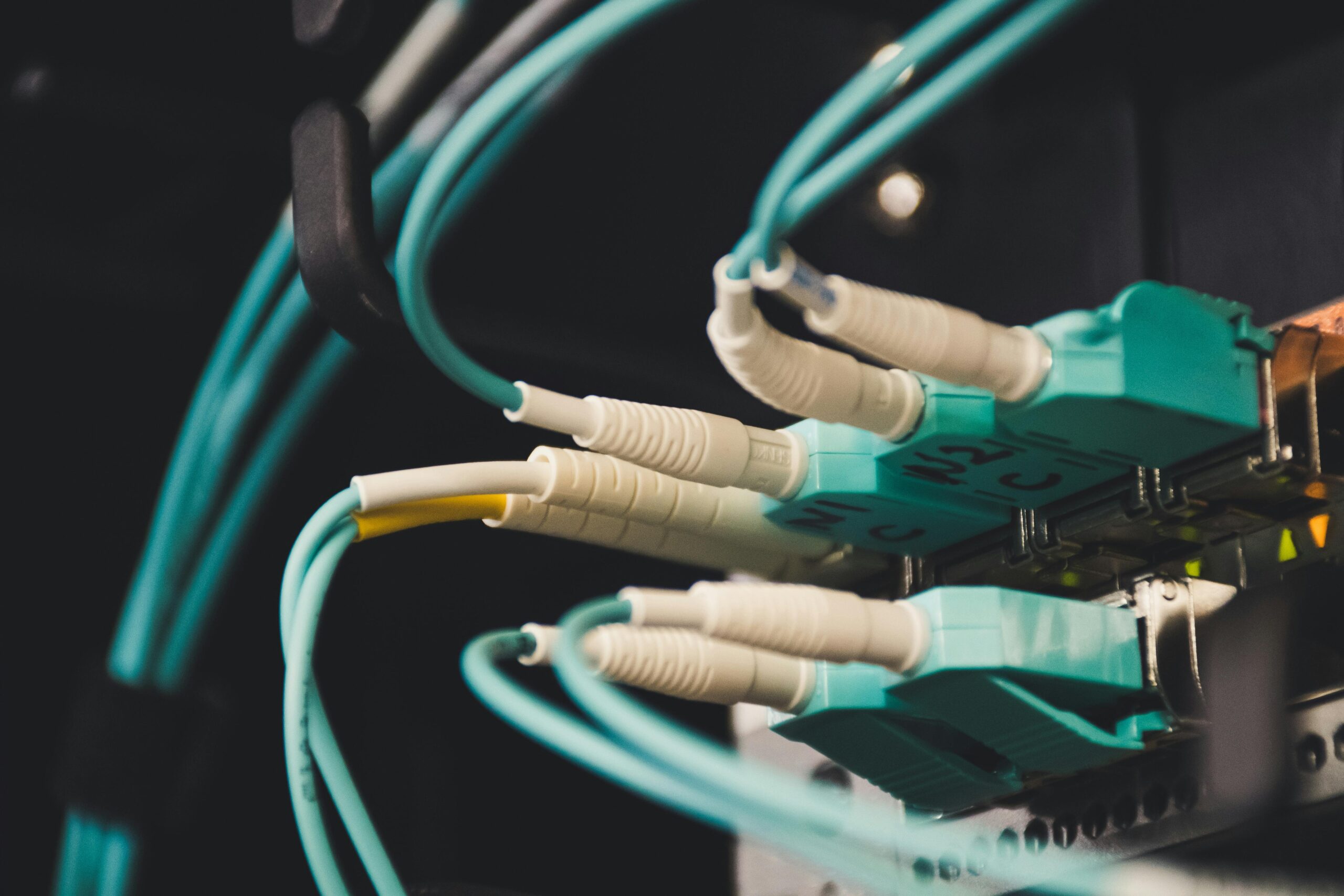
While optimization addresses symptoms, infrastructure expansion tackles root causes. Fiber optic deployments provide dramatically increased capacity compared to legacy copper connections. Communities investing in fiber infrastructure create foundations capable of supporting future bandwidth demands that would overwhelm current technologies.
5G cellular networks represent a similar leap in mobile connectivity, offering not just faster speeds but also reduced latency and support for vastly more simultaneous connections. The technology’s ability to handle dense device deployments makes it particularly valuable in urban environments where congestion is most severe.
Wi-Fi 6 and Wi-Fi 6E standards bring comparable improvements to local wireless networks. These technologies implement better spectrum utilization, improved device coordination, and enhanced performance in crowded environments. Upgrading to Wi-Fi 6 routers and compatible devices alleviates congestion issues in homes and offices with many connected devices.
Mesh Networks and Extended Coverage
Mesh networking systems distribute internet connectivity across multiple access points rather than relying on a single router. This architecture eliminates dead zones while distributing device load across multiple nodes. In congested environments, mesh systems can dynamically route traffic through less congested paths, maintaining performance even during peak usage.
Enterprise-grade mesh solutions incorporate intelligent band steering, airtime fairness, and coordinated beamforming to optimize performance. These advanced features ensure that legacy devices don’t monopolize airtime and that network resources distribute fairly across all connected clients.
User-Centric Strategies: Empowering Better Connectivity 👤
Education plays an often-overlooked role in congestion management. Many users remain unaware that their device placement, router configuration, or usage patterns significantly impact network performance. Simple changes like positioning routers centrally, using wired connections for stationary devices, or scheduling large downloads appropriately can substantially improve experiences.
Network monitoring applications help users identify bandwidth-hogging applications and problematic devices. By visualizing network usage patterns, these tools enable informed decisions about application management and device prioritization. Identifying a single device causing issues through malware or misconfiguration can resolve widespread congestion problems.
Implementing usage policies in shared environments ensures fair resource distribution. Bandwidth caps per device or user, scheduled access times, and application restrictions prevent individual users from monopolizing shared resources. While potentially unpopular, such policies maintain usable connectivity for everyone during congestion periods.
The Role of Content Caching
Local content caching reduces redundant traffic across networks. When multiple users request the same popular content, caching systems store local copies rather than repeatedly fetching from distant servers. This approach is particularly effective in educational institutions, businesses, and multi-dwelling units where user interests often overlap.
DNS-level caching and content delivery network integration bring similar benefits. By serving content from geographically proximate servers, these systems reduce both latency and backbone network load. The cumulative effect across millions of users significantly alleviates internet-wide congestion.
Emerging Technologies Reshaping Connectivity 🚀
Edge computing distributes processing closer to end users, reducing the data volumes traveling across congested backbone networks. By handling computations locally rather than in distant data centers, edge infrastructure minimizes bandwidth consumption while improving response times. This architectural shift proves particularly valuable for latency-sensitive applications and real-time services.
Satellite internet constellations like Starlink bring high-speed connectivity to underserved areas while providing alternative pathways that reduce congestion on terrestrial networks. As these systems mature, they’ll offer genuine competition to traditional internet service providers and create redundancy that improves overall network resilience.
Artificial intelligence increasingly automates network management tasks that once required expert intervention. AI systems detect anomalies, predict failures, optimize routing, and implement corrective actions faster than human administrators. This intelligence enables networks to maintain optimal performance despite growing complexity and changing demand patterns.
The Promise of Network Slicing
Network slicing technology, primarily associated with 5G deployments, creates virtual networks tailored to specific application requirements. A single physical infrastructure supports multiple isolated network slices, each optimized for particular use cases. Emergency services, autonomous vehicles, and consumer applications operate on dedicated slices, preventing congestion in one domain from affecting others.
This segmentation ensures critical applications maintain performance regardless of consumer network conditions. As network slicing matures and extends beyond cellular networks, it promises to fundamentally reshape how we approach congestion management and quality of service guarantees.
Practical Implementation: Moving from Theory to Action ⚡
Addressing network congestion requires layered approaches combining multiple strategies. Start by auditing current infrastructure to identify specific bottlenecks. Is congestion occurring at the internet service provider level, within local networks, or on specific wireless channels? Proper diagnosis directs resources toward solutions that actually address your particular constraints.
Prioritize upgrades based on impact and feasibility. Replacing an aging router with a modern Wi-Fi 6 model might deliver immediate improvements at modest cost. Upgrading to fiber internet or deploying mesh networking systems represents larger investments but solves more fundamental capacity limitations.
Implement traffic management policies appropriate to your environment. Home networks benefit from simple device prioritization, while businesses require sophisticated QoS configurations aligned with organizational priorities. Document these policies and review them regularly as usage patterns evolve.
Continuous Monitoring and Optimization
Network performance isn’t static—it degrades over time as usage patterns shift and technologies age. Establishing continuous monitoring systems enables proactive identification of emerging congestion issues before they severely impact productivity or user experience. Regular performance assessments create baselines against which to measure improvement efforts.
Optimization is an ongoing process rather than a one-time project. As new applications emerge and traffic patterns evolve, network configurations require corresponding adjustments. Staying informed about emerging technologies and best practices ensures your infrastructure remains optimized for current demands.
Building Resilient Networks for an Uncertain Future 🌟
The trajectory of data consumption shows no signs of slowing. Emerging technologies like augmented reality, virtual reality, and holographic communications will demand orders of magnitude more bandwidth than today’s applications. Preparing for this future requires thinking beyond current congestion problems toward infrastructure that accommodates exponential growth.
Redundancy and diversity in connectivity options provide resilience against congestion and outages. Environments with both wired and wireless connections, multiple internet service providers, or hybrid cellular-fixed solutions maintain connectivity when individual pathways become congested or fail entirely. This redundancy proves increasingly valuable as digital dependence deepens.
Policy and regulation will shape future connectivity landscapes. Governments and regulatory bodies must balance competing interests while ensuring adequate infrastructure investment and fair resource allocation. Net neutrality debates, spectrum allocation decisions, and infrastructure funding policies directly impact how effectively society addresses congestion challenges.
The convergence of multiple trends—remote work normalization, Internet of Things proliferation, cloud computing dominance, and streaming entertainment ubiquity—creates unprecedented bandwidth demands. Successfully navigating this landscape requires technical innovation, strategic infrastructure investment, and user education working in concert.
Smart congestion management balances immediate practical solutions with long-term strategic planning. Optimizing existing resources through better traffic management and compression extends infrastructure lifespan while capacity upgrades provide room for growth. Neither approach alone suffices; both must work together to deliver consistently excellent connectivity experiences.
The networks we build today will shape society’s digital capabilities for decades. Thoughtful approaches to bandwidth management, infrastructure development, and technology adoption determine whether connectivity becomes a limiting factor or an enabler of human potential. By implementing smart solutions that address congestion holistically, we create foundations for innovation, productivity, and connectivity that serves everyone effectively. 🎯