
Modern cities face unprecedented traffic challenges that demand innovative solutions. Advanced traffic condition integration systems are transforming how vehicles interact with roads, promising smoother journeys and reduced congestion.

🚗 The Current State of Urban Traffic Management
Traffic congestion costs the global economy billions of dollars annually while significantly impacting quality of life for millions of commuters. Traditional traffic management systems rely on fixed timing signals and static road infrastructure, which cannot adapt to real-time conditions. These outdated approaches lead to unnecessary delays, increased fuel consumption, and elevated stress levels among drivers.
The problem extends beyond mere inconvenience. Environmental consequences include higher carbon emissions, air pollution, and noise levels in urban areas. Emergency services face obstacles reaching critical situations, potentially costing lives. Businesses suffer from reduced productivity as employees spend excessive time commuting rather than working.
Cities worldwide are recognizing that conventional solutions no longer suffice. The integration of advanced technologies offers promising pathways toward resolving these persistent challenges. Smart traffic management represents a fundamental shift from reactive to proactive infrastructure planning.
🌐 Understanding Advanced Traffic Condition Integration
Advanced traffic condition integration involves connecting multiple data sources, sensors, and intelligent systems to create a comprehensive view of road conditions. This ecosystem includes GPS data from vehicles, roadside sensors, traffic cameras, weather information, and event calendars that might affect traffic patterns.
The system processes vast amounts of real-time data using artificial intelligence and machine learning algorithms. These technologies identify patterns, predict congestion before it occurs, and automatically adjust traffic signals to optimize flow. The integration extends beyond simple data collection to create actionable intelligence that benefits both traffic managers and individual drivers.
Key components of these systems include connected vehicle technology, intelligent transportation systems (ITS), edge computing infrastructure, and cloud-based analytics platforms. Together, these elements form an interconnected network that responds dynamically to changing conditions throughout the day.
Core Technologies Driving the Revolution
Several breakthrough technologies power modern traffic integration solutions. Vehicle-to-everything (V2X) communication enables cars to exchange information with infrastructure, other vehicles, and pedestrians. This technology creates a cooperative environment where all road users share awareness of their surroundings.
Internet of Things (IoT) sensors embedded in roadways collect data on vehicle speed, density, and movement patterns. These sensors provide granular information that traditional counting methods cannot match. Advanced camera systems with computer vision capabilities detect incidents, identify vehicle types, and monitor traffic flow with remarkable accuracy.
5G networks provide the high-speed, low-latency connections necessary for real-time traffic management. This connectivity ensures that critical information reaches decision-making systems and drivers within milliseconds, enabling split-second adjustments that prevent congestion cascades.
📱 Real-Time Navigation and Driver Assistance
Modern navigation applications leverage integrated traffic data to provide drivers with optimal routing suggestions. These apps analyze current conditions, historical patterns, and predictive models to recommend the fastest routes. Some applications go beyond simple navigation to offer comprehensive traffic management features.
Google Maps stands as one of the most widely adopted traffic navigation tools, utilizing data from billions of users to provide accurate real-time traffic information. The application continuously learns from traffic patterns and adjusts recommendations accordingly, helping drivers avoid congestion before encountering it.
Waze offers a community-driven approach to traffic management, where users actively report accidents, hazards, and police presence. This crowdsourced information complements sensor data to create a comprehensive picture of road conditions. The application’s ability to dynamically reroute drivers based on collective intelligence demonstrates the power of integrated traffic systems.
Benefits for Individual Drivers
Drivers using integrated traffic applications experience measurable improvements in their daily commutes. Average travel times decrease by 15-25% compared to non-optimized routes. Fuel consumption drops proportionally, resulting in cost savings and reduced environmental impact.
Stress reduction represents another significant benefit. Knowing the best route in advance and receiving timely alerts about changing conditions helps drivers feel more in control. Predictable arrival times enable better planning for both personal and professional commitments.
Safety improvements emerge from better information distribution. Drivers receive warnings about hazardous conditions, construction zones, and high-traffic areas well in advance. This advance notice allows for more cautious driving behavior and reduces accident rates in equipped areas.
🏙️ Smart City Infrastructure Integration
Municipal governments are investing heavily in smart infrastructure that forms the backbone of advanced traffic management. Adaptive traffic signal systems represent one of the most impactful improvements. These signals adjust timing based on real-time traffic density, prioritizing directions with higher vehicle volumes.
Cities implementing adaptive signals report congestion reductions of 20-30% on major corridors. The systems coordinate across multiple intersections to create “green waves” that allow vehicles to travel extended distances without stopping. This coordination dramatically improves traffic flow efficiency during peak hours.
Smart parking solutions integrate with traffic management systems to reduce the time drivers spend searching for parking spaces. Studies indicate that up to 30% of urban traffic consists of drivers looking for parking. Directing vehicles to available spaces eliminates this unnecessary circulation, significantly reducing congestion in commercial districts.
Public Transportation Optimization
Integrated traffic systems benefit public transportation networks through priority signal timing and real-time schedule adjustments. Buses and trains receive preferential treatment at intersections, ensuring they maintain schedules and provide reliable service. This reliability encourages more people to choose public transit over personal vehicles.
Real-time passenger information systems keep riders informed about arrival times, delays, and alternative routes. This transparency builds trust in public transportation and makes it a more attractive option for commuters. Cities with comprehensive transit integration experience increased ridership and reduced private vehicle usage.
🔮 Predictive Analytics and Traffic Forecasting
Machine learning algorithms analyze historical and real-time data to predict traffic conditions hours or even days in advance. These predictions enable proactive management strategies that prevent congestion rather than merely reacting to it. Transportation agencies use forecasts to schedule maintenance during low-impact periods and deploy resources strategically.
Special events, weather conditions, and seasonal patterns all factor into predictive models. When a stadium hosts a major game, the system anticipates increased traffic volume and adjusts signal timing accordingly. Severe weather forecasts trigger preemptive route recommendations that distribute traffic more evenly across the network.
Long-term predictions inform infrastructure planning and investment decisions. City planners identify chronic bottlenecks and prioritize improvements based on data-driven insights. This evidence-based approach ensures that limited budgets produce maximum impact on traffic flow.
Emergency Response Enhancement
Integrated traffic systems dramatically improve emergency vehicle response times. When an ambulance or fire truck activates its emergency systems, traffic signals along its route automatically adjust to create a clear path. Other drivers receive notifications to move aside, ensuring unobstructed passage for first responders.
Incident detection systems identify accidents within seconds through camera analysis and sudden traffic pattern changes. Automatic alerts dispatch emergency services immediately while simultaneously rerouting traffic away from the incident location. This rapid response prevents secondary accidents and minimizes the incident’s impact on overall traffic flow.
🌍 Environmental Impact and Sustainability
Seamless traffic flow contributes significantly to environmental sustainability goals. Vehicles operating at steady speeds consume less fuel and produce fewer emissions than those constantly accelerating and braking in congested conditions. Cities with advanced traffic management report measurable improvements in air quality along major corridors.
Reduced idling time at intersections decreases both fuel consumption and emissions. Studies demonstrate that optimized traffic signals can reduce carbon dioxide emissions by 10-15% in equipped areas. These environmental benefits compound as more cities adopt integrated traffic management systems.
Electric vehicle integration receives special attention in modern traffic systems. Charging station availability information helps EV drivers plan routes that include necessary charging stops. Some systems prioritize EVs at intersections to encourage adoption of cleaner transportation technologies.
💼 Economic Benefits and Return on Investment
While implementing advanced traffic systems requires substantial initial investment, the economic returns prove compelling. Reduced congestion translates directly to increased productivity as workers spend less time commuting and more time working. Businesses benefit from more reliable delivery schedules and lower transportation costs.
Infrastructure longevity improves with better traffic distribution. Roads experience more even wear when traffic flows smoothly rather than concentrating stress in congested areas. This extended lifespan reduces maintenance costs and delays expensive reconstruction projects.
Cities implementing comprehensive traffic integration systems typically achieve positive return on investment within three to five years. The combination of reduced congestion costs, improved safety outcomes, and environmental benefits creates substantial economic value that justifies the initial expenditure.
Commercial Fleet Management
Commercial transportation companies leverage integrated traffic systems to optimize delivery routes and reduce operating costs. Real-time traffic data enables dynamic route planning that adapts to changing conditions throughout the day. Fleet managers track vehicle locations, monitor driver behavior, and identify efficiency improvements.
Logistics companies report fuel savings of 10-20% and increased delivery capacity when using advanced traffic integration tools. These improvements enhance competitiveness while reducing the environmental footprint of commercial transportation operations.
🚀 Future Developments and Autonomous Vehicles
The evolution toward autonomous vehicles will intensify the importance of integrated traffic systems. Self-driving cars require constant communication with infrastructure and other vehicles to navigate safely and efficiently. Future traffic management systems will coordinate entire fleets of autonomous vehicles to optimize overall network performance.
Platooning technology allows autonomous vehicles to travel in tight formations at highway speeds, dramatically increasing road capacity without building new infrastructure. These vehicle trains communicate continuously to maintain safe spacing while reducing air resistance and improving fuel efficiency for all participants.
Mixed traffic environments, where autonomous and human-driven vehicles share roads, present unique challenges. Advanced integration systems will manage this transition period by facilitating communication between different vehicle types and adjusting traffic patterns to accommodate both. This flexibility ensures that improvements benefit all road users regardless of vehicle technology.
Artificial Intelligence Advancement
Next-generation AI systems will process even larger data volumes with greater sophistication. Deep learning algorithms will identify complex patterns invisible to current systems, enabling more precise predictions and optimizations. These advanced systems will continuously learn and improve, adapting to changing urban conditions without requiring manual reconfiguration.
Edge computing will bring processing power closer to data sources, enabling faster decision-making with reduced latency. This distributed intelligence allows local systems to respond to immediate conditions while contributing data to broader network optimization efforts.
🔒 Privacy and Security Considerations
As traffic systems collect vast amounts of data about vehicle movements, privacy concerns require careful attention. Robust data protection frameworks ensure that individual location information remains confidential while still enabling system-wide traffic optimization. Anonymization techniques aggregate data in ways that protect personal privacy while preserving analytical value.
Cybersecurity represents a critical challenge for connected infrastructure. Traffic management systems must defend against potential attacks that could disrupt services or compromise safety. Multi-layered security approaches, regular audits, and incident response plans protect these essential systems from malicious actors.
Transparent data governance policies build public trust in traffic integration systems. Citizens deserve clear explanations of what data gets collected, how it’s used, and who has access. Open communication about privacy protections encourages acceptance and adoption of these beneficial technologies.
🎯 Implementing Seamless Traffic Solutions
Cities beginning their traffic integration journey should adopt phased implementation strategies that demonstrate early wins while building toward comprehensive coverage. Pilot projects in high-impact corridors prove concept viability and generate momentum for broader deployment. Success stories from initial implementations justify additional investments and expand stakeholder support.
Collaboration between government agencies, technology providers, and community stakeholders ensures that systems meet actual needs rather than pursuing technology for its own sake. User feedback guides refinements and improvements, creating solutions that serve diverse populations effectively.
Training programs prepare traffic management personnel for new technologies and operational paradigms. Successful implementation requires not just installing equipment but developing organizational capabilities to utilize advanced systems effectively. Ongoing education ensures that agencies maximize the value of their infrastructure investments.
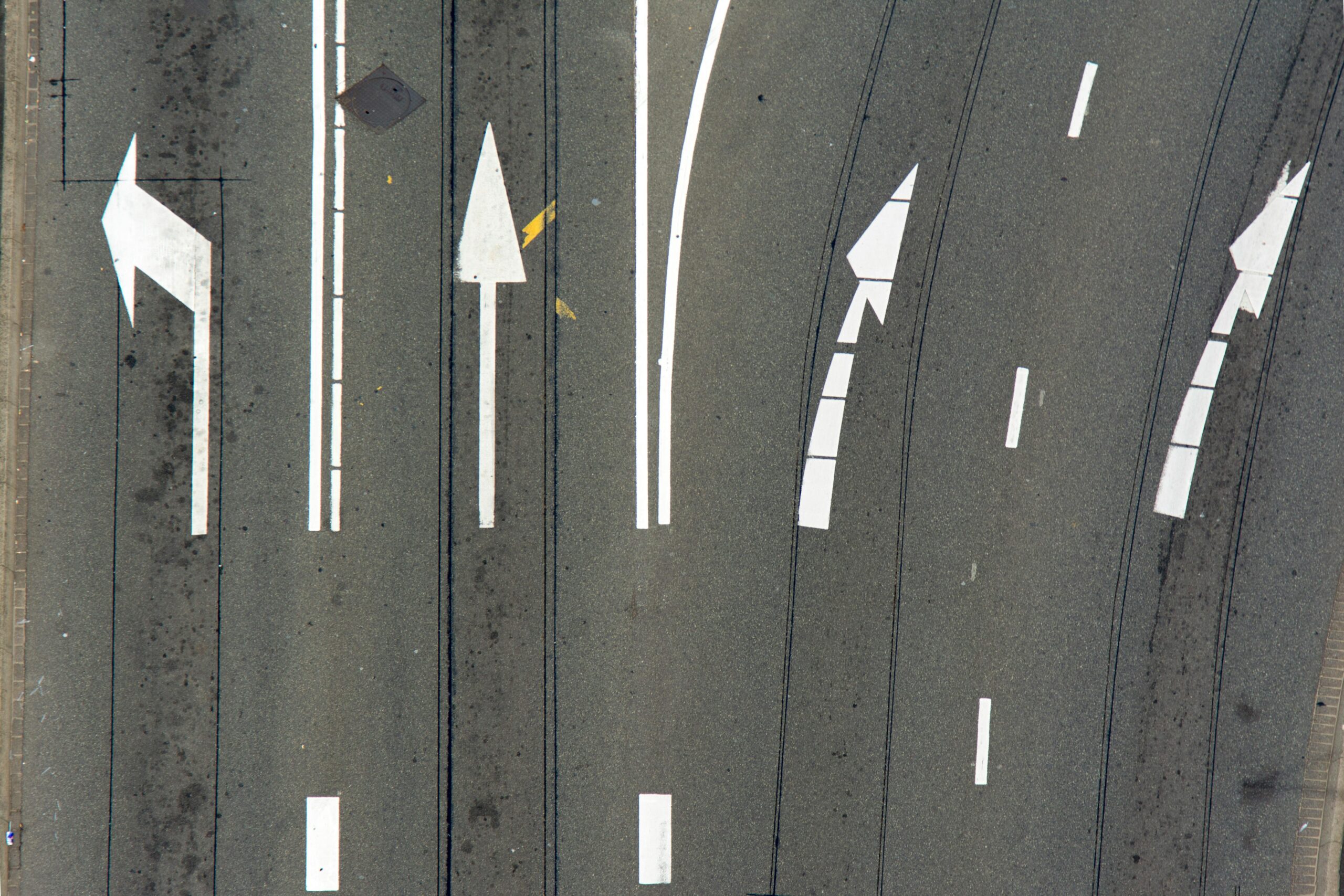
✨ Transforming Urban Mobility Forever
Advanced traffic condition integration solutions represent far more than incremental improvements to existing systems. They fundamentally transform how cities manage mobility, creating more livable urban environments with reduced congestion, improved air quality, and enhanced quality of life for residents. The technology exists today to dramatically improve traffic flow on a global scale.
Success requires vision, investment, and commitment from civic leaders, technology providers, and citizens. Cities embracing these solutions position themselves as forward-thinking communities that prioritize resident well-being and environmental sustainability. The revolution in traffic management has begun, and its benefits will only multiply as adoption accelerates worldwide.
The journey toward seamless traffic flow continues evolving with each technological advancement and implementation lesson learned. As more cities share best practices and collaborate on standards, the pace of improvement will accelerate. The future of urban transportation is intelligent, integrated, and infinitely more efficient than the congested roads we navigate today.