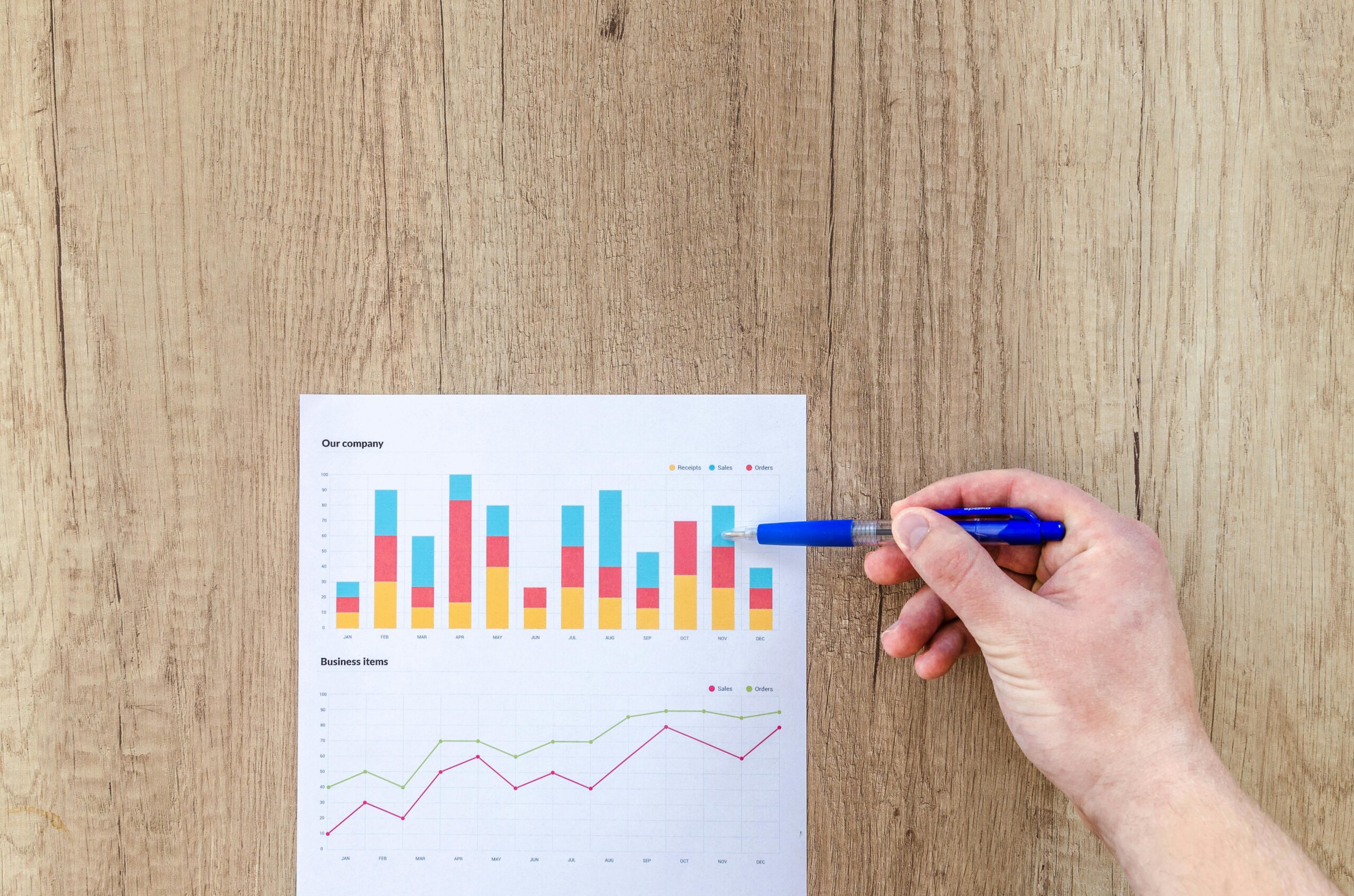
Multi-stop route planning transforms chaotic daily schedules into streamlined journeys, saving hours each week while reducing stress and fuel consumption across personal and professional travel needs.

Whether you’re a delivery driver navigating dozens of addresses, a sales representative visiting multiple clients, or simply someone running errands across town, mastering multi-stop route planning has become an essential skill in our fast-paced world. The difference between a well-planned route and a haphazard approach can mean the difference between finishing your day early or working late into the evening.
The traditional method of visiting locations in the order they come to mind or appear on a list often results in backtracking, unnecessary mileage, and wasted time sitting in avoidable traffic. Modern route optimization techniques leverage technology and strategic thinking to revolutionize how we approach multiple destinations, turning what could be a logistical nightmare into a smooth, efficient process.
🎯 Understanding the Foundation of Effective Route Planning
Route optimization isn’t simply about finding the shortest distance between points. It’s a complex calculation that considers multiple variables including traffic patterns, time windows, vehicle capacity, road conditions, and priority levels of each stop. Professional logistics companies have used sophisticated algorithms for years, but these capabilities are now accessible to everyone.
The core principle behind successful multi-stop planning involves understanding that the shortest route isn’t always the fastest. A path that appears longer on the map might actually save significant time by avoiding congested areas, construction zones, or difficult left turns during peak hours. Smart route planning weighs all these factors simultaneously to create truly optimized itineraries.
Geographic clustering represents another fundamental concept where stops in similar areas are grouped together before moving to the next zone. This approach minimizes the zigzagging pattern that wastes both time and fuel, creating a logical flow that feels natural and efficient as you progress through your day.
📱 Technology Tools That Transform Route Planning
Modern route planning apps have revolutionized how we approach multiple destinations. These applications use advanced algorithms that can process dozens of stops in seconds, calculating optimal sequences that would take humans hours to determine manually. The best platforms offer real-time traffic integration, automatically adjusting routes when unexpected delays occur.
Google Maps allows basic multi-stop planning with up to ten destinations, making it suitable for casual use and smaller errands. Users can drag and reorder stops to manually optimize their sequence, though this requires geographic knowledge and time investment that dedicated route optimization tools handle automatically.
Specialized route optimization platforms like Route4Me, Circuit, and Roadwarrior cater to professional needs with unlimited stops, customer time windows, and advanced features like proof of delivery. These tools represent the difference between basic navigation and true logistics optimization, offering capabilities that directly impact bottom-line efficiency.
Many modern route planners now incorporate machine learning that improves over time, learning from your preferences, typical traffic patterns in your area, and historical data to make increasingly accurate predictions. This intelligence transforms route planning from a daily chore into an automated process that requires minimal input.
⏰ Time Management Strategies for Multi-Stop Success
Effective route planning extends beyond the driving itself to encompass comprehensive time management. Each stop requires not just travel time but also parking, walking to the entrance, completing your business, and returning to the vehicle. Professional route planners typically add 10-15 minutes per stop to account for these activities, creating realistic schedules rather than overly optimistic timelines.
Rush hour consideration dramatically affects route efficiency. A route that works perfectly at 10 AM might become a disaster at 5 PM when traffic patterns completely change. Advanced planning involves knowing when to tackle which areas, sometimes necessitating non-sequential approaches that account for time-dependent variables.
Building buffer time between appointments prevents the domino effect where one delay cascades through your entire day. Strategic planners incorporate 15-20% additional time into their schedules, creating flexibility that reduces stress and maintains professionalism even when unexpected issues arise.
Priority-Based Sequencing Techniques
Not all stops carry equal weight in your itinerary. Some destinations have strict time windows, while others offer flexibility throughout the day. Successful multi-stop planning requires categorizing stops by urgency and importance, then building routes that honor these priorities while maintaining overall efficiency.
High-priority stops with narrow time windows should anchor your route, with flexible stops filling in around them. This approach ensures you meet critical commitments while optimizing the remaining schedule. Many route planning applications allow you to set time window parameters that the algorithm respects during optimization.
Customer-facing businesses particularly benefit from priority-based planning, where VIP clients or time-sensitive deliveries receive preferred positioning. This strategic approach balances efficiency with relationship management, ensuring that business priorities align with logistical optimization.
💰 Calculating the Real Cost Savings
The financial benefits of optimized route planning extend far beyond obvious fuel savings. When you reduce total driving distance by even 15-20% through better routing, the cumulative effect across weeks and months becomes substantial. A delivery driver covering 200 miles daily could save 30-40 miles through optimization, translating to significant annual fuel cost reductions.
Vehicle maintenance costs decrease proportionally with reduced mileage. Fewer miles mean extended intervals between oil changes, tire replacements, and brake servicing. For commercial fleets, these savings multiply across multiple vehicles, potentially reducing maintenance budgets by thousands of dollars annually.
Perhaps most valuable is time savings, which professionals can convert directly into productivity. Completing the same number of stops in 20% less time allows for additional appointments, earlier finish times, or better work-life balance. For businesses, this efficiency can eliminate the need for additional vehicles or drivers as operations scale.
🌍 Environmental Impact and Sustainability Benefits
Optimized routing directly contributes to environmental sustainability by reducing unnecessary vehicle emissions. Every mile eliminated from daily routes represents carbon dioxide that never enters the atmosphere. For environmentally conscious individuals and businesses, this represents a tangible way to reduce their carbon footprint without sacrificing productivity.
Urban areas particularly benefit from reduced traffic congestion when more vehicles operate efficiently. Fewer cars circling blocks looking for destinations or backtracking through neighborhoods means less overall congestion, benefiting entire communities beyond individual route planners.
The cumulative environmental effect becomes remarkable when considering large-scale adoption. If every delivery service, sales team, and service provider optimized their routes, the reduction in global emissions would be measurable and meaningful, making route optimization a simple yet powerful environmental action.
🚚 Industry-Specific Applications and Use Cases
Delivery services represent the most obvious application, where companies like Amazon, UPS, and FedEx have invested millions in route optimization technology. These systems handle thousands of stops daily, creating routes that minimize costs while meeting delivery promises. Small businesses can now access similar technology, leveling the competitive playing field.
Sales professionals visiting multiple clients benefit enormously from strategic route planning. Instead of crisscrossing territories randomly, optimized routes allow representatives to visit more prospects in less time, directly impacting sales numbers and commission potential while reducing travel fatigue.
Service industries including plumbers, electricians, HVAC technicians, and home healthcare providers use multi-stop routing to maximize billable hours. By reducing drive time between appointments, these professionals can serve more customers daily, increasing revenue without extending work hours.
Personal Applications for Everyday Life
Families juggling school pickups, grocery shopping, gym visits, and social commitments find multi-stop planning invaluable for managing complex schedules. What might seem like simple errands can easily consume entire afternoons without proper planning, while optimized routes complete the same tasks in half the time.
Vacation planning benefits tremendously from route optimization when touring multiple attractions or traveling through regions with numerous points of interest. Instead of missing sites or wasting vacation time in the car, strategic planning ensures maximum enjoyment and comprehensive exploration.
Moving days, charity donation runs, and other occasional multi-stop needs become significantly less stressful with proper planning. Even infrequent users benefit from understanding basic optimization principles, transforming potentially chaotic days into manageable experiences.
📊 Measuring and Improving Your Routing Performance
Tracking key performance indicators allows continuous improvement in your routing efficiency. Metrics like average stops per hour, total daily mileage, fuel consumption per delivery, and on-time arrival percentages provide objective measurements of routing success and highlight areas needing adjustment.
Many route planning applications include built-in analytics that automatically track these metrics, generating reports that reveal patterns and opportunities. Reviewing this data weekly or monthly helps identify persistent inefficiencies, whether they involve specific geographic areas, time periods, or route configurations.
Comparing your current performance against historical benchmarks demonstrates improvement over time and justifies investments in better planning tools or processes. For businesses, these metrics provide concrete data for decision-making regarding fleet size, service areas, and operational strategies.
🔧 Advanced Techniques for Route Optimization Masters
Dynamic routing represents the next evolution, where routes automatically adjust throughout the day as new stops are added, cancellations occur, or traffic conditions change. This flexibility requires sophisticated technology but delivers maximum efficiency in fluid environments where schedules constantly evolve.
Load balancing across multiple vehicles or team members ensures equitable workload distribution while maintaining overall efficiency. Advanced algorithms can optimize not just individual routes but entire fleet operations, considering vehicle capacities, driver skills, and geographic territories simultaneously.
Reverse logistics planning incorporates return trips into route optimization, ensuring that vehicles returning to base take efficient paths and potentially handle pickup tasks along the way. This sophisticated approach extracts maximum value from every mile driven, eliminating wasted empty-vehicle travel.
Seasonal and Weather Considerations
Experienced route planners account for seasonal variations that affect traffic patterns and road conditions. Routes that work perfectly in summer may become problematic in winter when school zones activate or weather creates hazards. Building seasonal variations into your planning ensures year-round efficiency.
Weather-responsive routing adjusts paths based on real-time conditions, avoiding areas affected by flooding, snow accumulation, or other weather-related delays. Some advanced systems automatically suggest alternative routes when weather alerts affect planned paths, maintaining schedule adherence despite challenging conditions.
Holiday shopping seasons, local events, and construction projects represent predictable factors that impact routing efficiency. Maintaining awareness of these variables and adjusting plans accordingly separates adequate route planning from truly optimized approaches that consistently deliver superior results.
🎓 Building Your Route Planning Expertise
Mastering multi-stop route planning requires initial investment in learning tools and techniques, but the efficiency gains compound over time. Start by experimenting with free routing tools for your regular errands, observing how optimized sequences differ from your instinctive approaches and noting time savings achieved.
Geographic knowledge of your service area remains invaluable despite technological advances. Understanding which neighborhoods have difficult parking, where one-way streets complicate access, or which areas experience predictable congestion helps you make informed decisions that algorithms might miss without local context.
Continuous learning about new tools and techniques keeps your skills current as route planning technology rapidly evolves. Following industry blogs, joining professional forums, and experimenting with new applications ensures you’re leveraging the latest capabilities rather than relying on outdated approaches.
🌟 Transforming Chaos Into Coordinated Excellence
The journey from chaotic, inefficient multi-stop travel to streamlined, optimized routing represents a fundamental shift in how you approach daily logistics. What once felt overwhelming becomes manageable and even enjoyable as you experience the satisfaction of executing perfectly planned routes that maximize your time and minimize stress.
Success in multi-stop route planning isn’t about perfection but rather consistent improvement. Each route provides learning opportunities, and even experienced planners continuously refine their approaches based on new insights and changing conditions. Embracing this growth mindset ensures ongoing efficiency gains throughout your career or personal life.
The combination of powerful technology, strategic thinking, and practical experience creates routing expertise that delivers measurable benefits daily. Whether you’re saving an hour each day on personal errands or reducing operational costs by thousands of dollars monthly, mastered route planning transforms how you move through the world, creating more time for what truly matters while reducing the friction and frustration of poorly planned travel.
Your commitment to implementing these principles starting today will pay dividends immediately and compound over time, making multi-stop route planning one of the most valuable skills you can develop for both professional success and personal efficiency. The roads ahead are waiting to be conquered not through harder work, but through smarter planning that turns every journey into an optimized experience.