Understanding queue dynamics isn’t just about managing lines—it’s about mastering human behavior, optimizing resources, and creating seamless experiences in every environment.

From bustling airport terminals to coffee shops, theme parks to emergency rooms, queues are an inevitable part of modern life. The way we design, manage, and optimize these waiting experiences can mean the difference between frustrated customers and satisfied patrons. Queue formation dynamics represent a fascinating intersection of psychology, mathematics, operations research, and customer service that deserves deeper exploration.
In today’s fast-paced world, where time is increasingly precious, the science of queue management has evolved from simple first-come-first-served systems to sophisticated algorithms and technologies that predict, redirect, and optimize flow patterns. Businesses that master these principles don’t just reduce wait times—they transform entire customer experiences and gain significant competitive advantages.
🔍 The Psychology Behind Queue Behavior
Human psychology plays a crucial role in how people perceive and react to waiting in lines. Research shows that the perception of wait time often matters more than the actual duration. When customers can see progress, understand the reason for delays, or feel entertained during the wait, their satisfaction levels increase dramatically.
The anxiety of uncertainty ranks among the most significant psychological stressors in queue situations. When people don’t know how long they’ll wait or whether they’re in the right line, stress hormones increase, and patience diminishes rapidly. This phenomenon explains why theme parks display estimated wait times and why airports show flight information constantly—transparency reduces anxiety.
Fairness perception also drives queue psychology. Nothing frustrates waiting customers more than witnessing others who arrived later being served first, unless there’s a clear and justifiable reason. The concept of “queue jumping” violates deeply ingrained social norms about fairness and can trigger strong emotional responses.
Social Dynamics Within Waiting Lines
Queues create temporary micro-societies with their own social rules and behaviors. People naturally monitor their position relative to others, estimate comparative wait times, and often engage in social comparisons that affect their emotional state. Understanding these dynamics helps designers create systems that minimize negative interactions and promote positive waiting experiences.
The occupied time principle suggests that people who are engaged or distracted perceive wait times as shorter. This explains why retailers place merchandise near checkout lines, why airports locate duty-free shops after security, and why restaurants offer pagers that allow customers to browse nearby rather than standing in place.
📊 Mathematical Models of Queue Formation
Queue theory, formally known as queuing theory or waiting line theory, provides mathematical frameworks for analyzing and predicting queue behavior. These models help organizations determine optimal staffing levels, predict peak demand periods, and design systems that balance service capacity with customer demand.
The fundamental components of any queuing system include arrival patterns, service mechanisms, queue discipline, system capacity, and population characteristics. Each variable affects overall system performance and must be carefully analyzed when designing efficient queue management solutions.
Key Performance Metrics in Queue Analysis
Several critical metrics help evaluate queue performance and identify improvement opportunities:
- Average wait time: The mean duration customers spend waiting before service begins
- Queue length: The average and maximum number of customers in the system
- Service utilization: The percentage of time service providers are actively serving customers
- Throughput rate: The number of customers served per unit of time
- Abandonment rate: The percentage of customers who leave before receiving service
These metrics work together to provide a comprehensive picture of system performance. A queue with short wait times but poor service utilization wastes resources, while high utilization with long wait times creates customer dissatisfaction. The goal is finding the optimal balance.
🎯 Strategic Approaches to Queue Configuration
The physical arrangement of queues significantly impacts efficiency and customer perception. Different configurations suit different environments and service types, each with distinct advantages and challenges.
Single-line serpentine queues, where one line feeds multiple service points, generally provide the fairest and most efficient system. This configuration eliminates the frustration of choosing the “wrong line” and ensures first-come-first-served equity. Banks, airport security, and many retail stores have adopted this model successfully.
Multiple parallel queues allow customers to choose their line, potentially reducing overall queue length visibility and creating a sense of control. However, this configuration often leads to jockeying behavior where customers switch lines, creating inefficiency and frustration when their chosen line moves slower than others.
Virtual Queue Systems Revolution
Technology has enabled virtual queuing systems that eliminate physical waiting lines entirely. Customers reserve their place through apps or kiosks, receiving notifications when their turn approaches. This innovation allows people to spend wait time productively elsewhere rather than standing in place.
Theme parks pioneered virtual queue technology, allowing guests to secure ride reservations while enjoying other attractions. This approach maximizes guest satisfaction and park capacity simultaneously. Healthcare facilities, government offices, and restaurants increasingly adopt similar systems to improve customer experiences.
⚙️ Technology-Driven Queue Management Solutions
Modern queue management leverages sophisticated technologies including artificial intelligence, machine learning, sensors, and real-time analytics. These systems predict demand fluctuations, automatically adjust staffing recommendations, and provide actionable insights for continuous improvement.
Digital signage systems display real-time wait information, entertain waiting customers, and communicate important messages. When integrated with queue management software, these displays can show accurate wait times, call customers when their turn arrives, and even collect feedback about the waiting experience.
Mobile integration represents the frontier of queue management innovation. Customers can join queues remotely, receive status updates via smartphone, and even complete preliminary service steps before reaching the service point. This approach reduces face-to-face transaction time and improves overall throughput.
Predictive Analytics in Queue Optimization
Advanced analytics platforms analyze historical data to identify patterns, predict future demand, and recommend optimal resource allocation. Machine learning algorithms can forecast busy periods with remarkable accuracy, enabling proactive staffing adjustments that prevent queue formation before problems occur.
These systems consider multiple variables including day of week, time of day, seasonal trends, weather conditions, local events, and historical patterns. By processing vast amounts of data, they provide predictions that would be impossible through manual analysis alone.
🏢 Industry-Specific Queue Management Strategies
Different industries face unique queue management challenges requiring tailored approaches. Understanding these sector-specific considerations helps develop more effective solutions.
Healthcare Environments
Medical facilities must balance efficiency with empathy, managing queues while acknowledging that patients often experience anxiety and discomfort. Priority systems based on medical urgency rather than arrival time create ethical obligations that complicate traditional queue management approaches.
Emergency departments employ sophisticated triage systems that continuously reassess patient priority, ensuring critical cases receive immediate attention. Outpatient clinics increasingly use appointment scheduling combined with real-time adjustments to minimize waiting while maximizing provider utilization.
Retail and Service Industries
Retail environments must consider psychological factors intensely since customers can easily choose competitors if wait times feel excessive. Strategic placement of impulse purchase items, entertainment during waits, and visible progress indicators all contribute to improved customer perception.
Quick-service restaurants optimize queue flow through menu design, order prediction systems, and strategic kitchen layouts. Drive-through configurations require special consideration since vehicles occupy significantly more space than people and can’t easily rearrange themselves.
Transportation Hubs
Airports, train stations, and bus terminals deal with massive volumes and strict time constraints. Security checkpoints represent particular challenges, balancing thorough screening with passenger flow requirements. Multi-stage queuing systems help distribute crowds and prevent overwhelming bottlenecks.
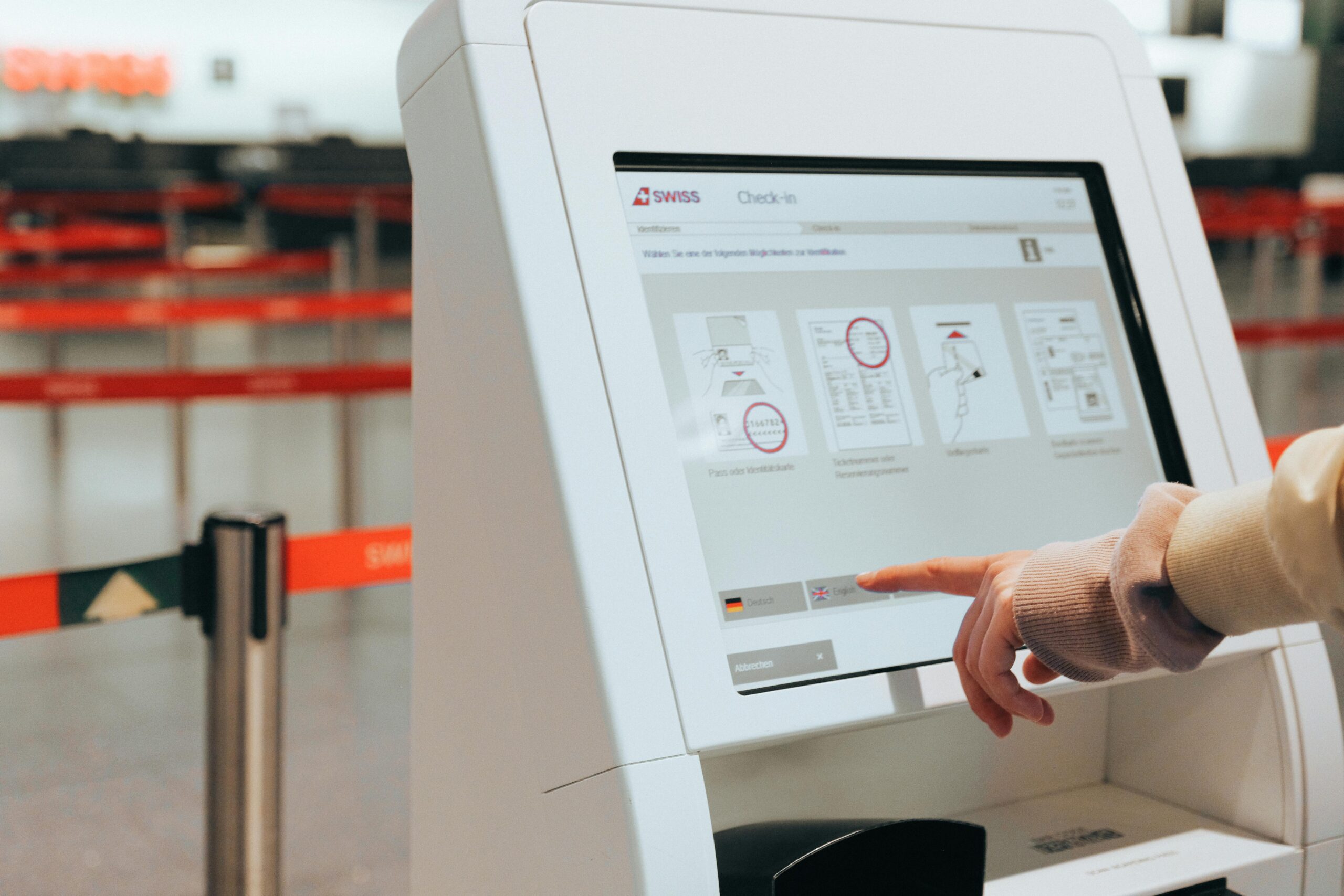
Check-in processes have evolved dramatically through self-service kiosks, mobile boarding passes, and automated bag drops. These innovations transfer simple transactions from staffed counters to technology, freeing personnel for complex issues requiring human judgment.
💡 Innovative Approaches to Reducing Perceived Wait Time
Since perception often matters more than reality in queue experiences, smart organizations employ creative strategies that make waits feel shorter without actually reducing duration.
Environmental design influences wait perception significantly. Pleasant music, comfortable temperature, good lighting, and interesting visual elements all distract from time passage. Some organizations install mirrors near elevators because people naturally spend time checking their appearance, making waits seem shorter.
Providing progress indicators gives customers a sense of momentum. Whether through numbered tickets, visual displays showing queue position, or percentage completion bars on digital screens, seeing advancement creates psychological satisfaction even during lengthy waits.
Entertainment and Engagement Tactics
Interactive displays, entertainment content, and educational information transform passive waiting into active engagement. Museums might display preview content about upcoming exhibits, while retail stores showcase product demonstrations or style tips.
Some innovative businesses gamify the waiting experience, offering puzzles, trivia, or mobile games that reward patience with discounts or loyalty points. These approaches not only distract from wait time but create positive brand associations.
📱 Implementing Digital Queue Management Systems
Organizations seeking to modernize their queue management should follow systematic implementation approaches that ensure successful adoption and maximize return on investment.
Begin with comprehensive analysis of current queue patterns, pain points, and customer feedback. Data-driven insights reveal which problems deserve priority attention and help establish baseline metrics for measuring improvement after implementation.
Selecting appropriate technology requires matching system capabilities to organizational needs. Small businesses might benefit from simple mobile ticketing apps, while large enterprises may require integrated platforms connecting multiple locations and service types.
Training and Change Management
Technology alone doesn’t guarantee success—staff must understand and embrace new systems. Comprehensive training ensures employees can operate queue management tools effectively, troubleshoot common issues, and explain systems to customers clearly.
Change management strategies help overcome resistance by communicating benefits clearly, involving staff in implementation planning, and celebrating early wins. When employees see how queue management systems reduce their stress and improve customer interactions, adoption accelerates naturally.
🌐 Future Trends in Queue Management
Emerging technologies promise to revolutionize queue management further in coming years. Artificial intelligence will enable increasingly accurate predictions and automated adjustments that optimize flow without human intervention.
Biometric identification could eliminate traditional check-in processes entirely, with facial recognition or fingerprint scanning automatically placing customers in appropriate queues as they enter facilities. While raising privacy considerations, these technologies offer unprecedented convenience and efficiency.
Internet of Things (IoT) sensors will provide granular data about customer movement patterns, dwell times, and space utilization. This information enables dynamic queue reconfiguration that responds instantly to changing conditions throughout the day.
Personalization Through Data Analytics
Advanced customer profiling will enable personalized queue experiences based on individual preferences, history, and needs. VIP customers might receive expedited service automatically, while first-time visitors get additional guidance and support.
Integration with customer relationship management systems allows queue management platforms to recognize returning customers, anticipate their needs, and proactively offer relevant services. This level of personalization transforms queues from necessary evils into opportunities for enhanced customer engagement.
🎓 Measuring Success and Continuous Improvement
Effective queue management requires ongoing monitoring, analysis, and refinement. Organizations should establish clear key performance indicators aligned with business objectives and customer experience goals.
Regular customer feedback collection provides qualitative insights that complement quantitative metrics. Surveys, interviews, and social media monitoring reveal how customers actually perceive their waiting experiences, sometimes uncovering issues that numbers alone miss.
Benchmarking against industry standards and competitors helps identify improvement opportunities and set realistic performance targets. However, the ultimate goal should be continuous improvement relative to your own baseline rather than merely matching competitor performance.
🚀 Transforming Waits Into Competitive Advantages
Organizations that excel at queue management don’t just minimize customer frustration—they create memorable positive experiences that build loyalty and differentiate their brands. The waiting experience becomes part of the overall service narrative rather than an unfortunate necessity.
Strategic queue management reduces operational costs through optimized staffing, improves employee satisfaction by reducing stress from handling frustrated customers, and increases revenue by serving more customers efficiently while reducing abandonment rates.
The most successful organizations view queue management holistically, recognizing that it touches every aspect of operations from facility design to technology infrastructure, from staff training to customer communication strategies. This comprehensive perspective enables transformative improvements rather than incremental adjustments.
As customer expectations continue rising and technology capabilities expand, queue management will only grow in strategic importance. Organizations investing now in understanding queue dynamics, implementing modern systems, and continuously refining their approaches will gain sustainable competitive advantages in an increasingly experience-focused marketplace. The future belongs to businesses that recognize queues not as problems to be tolerated but as opportunities to be mastered.