
Modern cities face a critical challenge: balancing high-density development with accessible, human-centered design to create spaces where everyone can thrive.

Urban planners, architects, and policymakers worldwide are grappling with an increasingly complex puzzle. As global populations surge and more people migrate to cities, the pressure to accommodate growth intensifies. Yet building upward and inward isn’t enough—cities must remain accessible, walkable, and inclusive for all residents, regardless of age, ability, or socioeconomic status.
The question isn’t whether we need density or accessibility—we need both. The real challenge lies in mastering the delicate balance between these seemingly competing priorities to create urban environments that are simultaneously efficient and livable.
🏙️ Understanding Urban Density in the 21st Century
Urban density refers to the concentration of people, buildings, and activities within a given area. High-density development has become synonymous with sustainable urbanism, offering numerous environmental and economic benefits. Compact cities reduce transportation emissions, preserve natural landscapes beyond urban boundaries, and make public infrastructure more cost-effective.
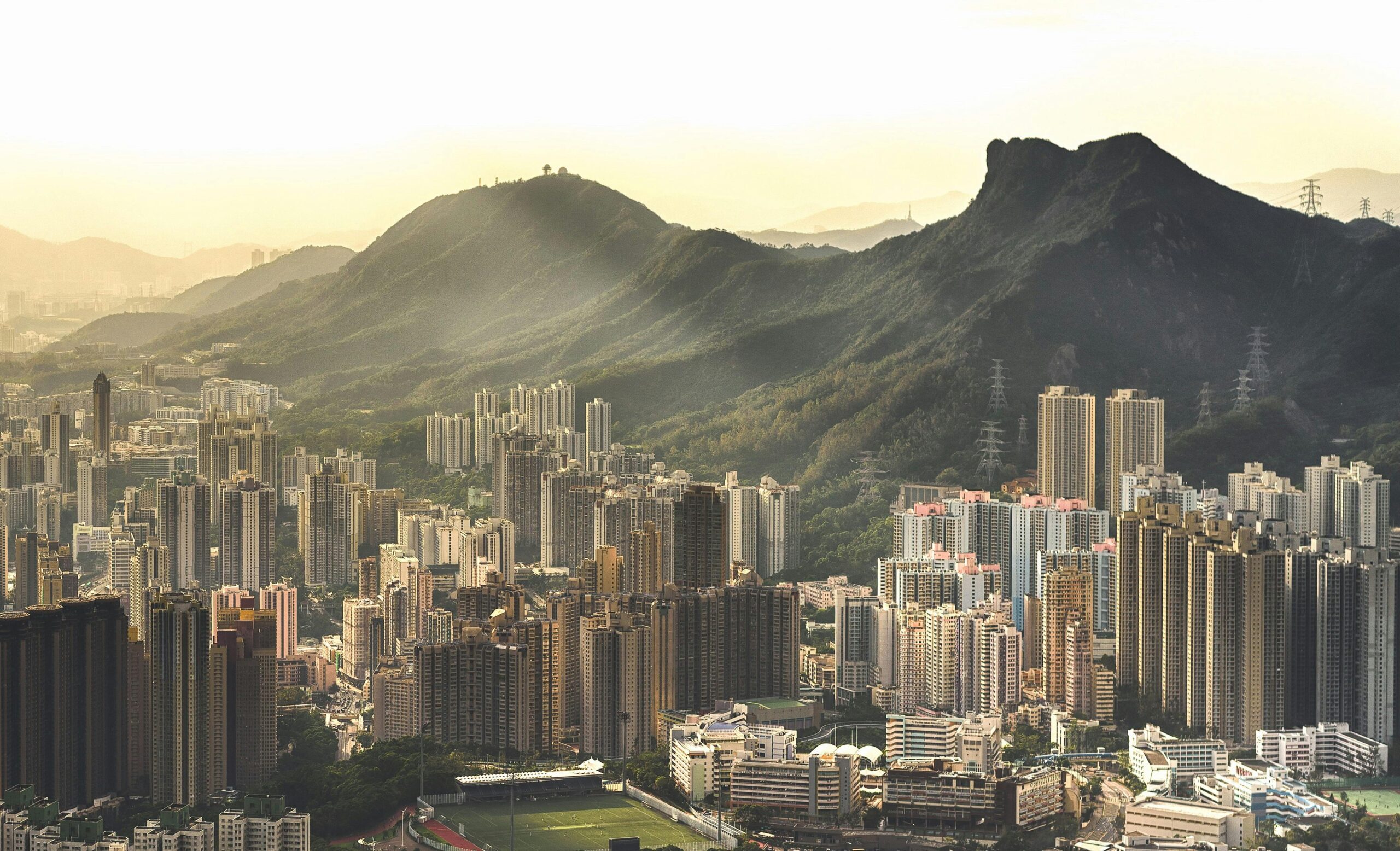
However, density alone doesn’t guarantee livability. Cities like Hong Kong and Singapore demonstrate that high population concentration can coexist with quality of life, while others struggle with overcrowding, inadequate infrastructure, and diminished accessibility. The difference lies in intentional planning that prioritizes human experience alongside spatial efficiency.
Dense urban environments can actually enhance accessibility when designed thoughtfully. Mixed-use neighborhoods place essential services within walking distance, reducing dependence on cars. Vertical density creates opportunities for efficient public transportation systems. The key is ensuring that as we build up, we also build intelligently.
The Essential Role of Accessibility in Urban Planning
Accessibility encompasses far more than wheelchair ramps and elevators. True urban accessibility means creating environments where people of all abilities can navigate independently, participate fully in community life, and access opportunities without barriers.
This includes physical accessibility—sidewalks, crossings, building entrances, and public spaces designed for everyone. It also involves sensory accessibility, such as tactile paving for visually impaired residents and clear wayfinding systems. Economic accessibility ensures that housing, transportation, and services remain affordable across income levels.
In dense urban environments, accessibility becomes even more critical. When more people share limited space, thoughtful design prevents bottlenecks, reduces conflicts between different user groups, and ensures that increased density enhances rather than diminishes quality of life. An inaccessible high-density neighborhood becomes a barrier rather than a solution.
Universal Design Principles for Dense Neighborhoods
Universal design creates spaces that work for everyone from the outset, rather than retrofitting accessibility as an afterthought. In dense urban contexts, this approach yields multiple benefits:
- Wide, unobstructed sidewalks accommodate pedestrians, wheelchair users, parents with strollers, and delivery robots simultaneously
- Ground-floor retail with zero-threshold entrances welcomes all customers while activating street life
- Multi-modal transportation hubs integrate various travel options in intuitive, barrier-free configurations
- Public spaces with varied seating, shade, and sensory environments serve diverse populations
- Wayfinding systems combining visual, auditory, and tactile elements guide all users effectively
These features don’t compromise density—they enhance it by maximizing how many people can comfortably use urban spaces. A narrow sidewalk with obstacles serves fewer people effectively than a wider, accessible path, even in the same footprint.
⚖️ Finding the Sweet Spot: Density That Works
Not all density is created equal. The relationship between population concentration and livability follows a curve rather than a straight line. Too little density creates sprawl, car dependence, and infrastructure inefficiency. Too much density without supporting infrastructure leads to overcrowding, strain on services, and decreased quality of life.
Successful cities identify their optimal density range based on local context, infrastructure capacity, and community character. This involves analyzing existing conditions, projecting future needs, and planning incrementally rather than imposing one-size-fits-all solutions.
Barcelona’s superblocks offer an instructive example. By reorganizing street networks to prioritize pedestrians and cyclists while maintaining residential density, the city improved accessibility without reducing population capacity. Streets became public spaces rather than merely traffic corridors, demonstrating that rethinking how density is arranged can be as important as the density itself.
Mixed-Use Development as a Balancing Strategy
Mixed-use neighborhoods represent one of the most effective strategies for balancing density and accessibility. By combining residential, commercial, and civic functions within walking distance, these developments reduce travel distances and create vibrant, accessible communities.
Ground floors dedicated to retail, services, and community facilities activate streets and provide destinations within easy reach. Residential units above create built-in customer bases for local businesses. Offices and cultural venues add daytime activity and economic vitality. This vertical and horizontal mixing increases density while simultaneously improving accessibility.
The key is ensuring these mixed-use environments maintain genuinely accessible connections between functions. Internal corridors, weather-protected pathways, and seamless indoor-outdoor transitions allow people to access services regardless of weather, mobility limitations, or other constraints.
Transportation Networks That Connect Rather Than Divide
Transportation infrastructure can either facilitate or undermine the balance between density and accessibility. Elevated highways and wide arterial roads create barriers that fragment neighborhoods and make walking difficult. In contrast, integrated multi-modal networks enhance both density and accessibility simultaneously.
Cities achieving this balance prioritize walking and cycling infrastructure equally with motorized transport. Protected bike lanes, pedestrian-priority zones, and traffic-calmed streets make active transportation safe and appealing. These modes naturally support accessibility because they operate at human scale and speed.
Public transportation becomes the backbone of accessible high-density development. Metro systems, bus rapid transit, and trams move large numbers of people efficiently through dense areas. When stations feature universal design—elevators, tactile guidance, clear signage, and level boarding—they serve all residents effectively.
🚶♀️ Walkability as the Foundation
Ultimately, walkability determines whether dense neighborhoods feel accessible or claustrophobic. Walkable environments feature continuous, well-maintained pedestrian networks with frequent crossings, comfortable widths, and engaging frontages.
In dense contexts, this requires careful coordination between building design and public realm. Buildings should address the street with active uses, transparent facades, and frequent entrances. Setbacks create space for wider sidewalks, street trees, and outdoor seating. Street furniture, lighting, and landscaping make walking pleasant regardless of weather or time of day.
Traffic management plays an equally important role. Shorter crossing distances, longer walk signals, and raised crosswalks improve safety and convenience for pedestrians. Restricting through-traffic in residential areas reduces noise and pollution while making streets more inviting for walking.
Green Infrastructure in High-Density Settings
Nature and density aren’t mutually exclusive—in fact, accessible green spaces become even more critical in high-density neighborhoods. Parks, gardens, and street trees provide environmental benefits, improve mental health, and create gathering places that foster community connections.
The challenge lies in providing adequate green space when land is scarce and valuable. Innovative approaches include rooftop gardens, vertical greening systems, pocket parks, and linear parks along former rail corridors or waterways. These solutions integrate nature into dense urban fabric rather than treating it as separate from development.
Accessibility in green spaces means ensuring everyone can enjoy nature regardless of mobility or sensory abilities. This includes paved pathways through parks, accessible playgrounds and exercise equipment, multi-sensory gardens, and seating areas at regular intervals. Water features with tactile and auditory elements create engaging experiences for all visitors.
💡 Technology’s Role in Smart, Accessible Density
Smart city technologies offer new tools for balancing density and accessibility. Real-time information systems help people navigate complex urban environments more easily. Apps providing transit schedules, elevator status, and crowd levels empower users to plan accessible routes.
Sensors and data analytics help cities understand how people actually use spaces, identifying bottlenecks, underutilized areas, and accessibility gaps. This evidence-based approach enables targeted improvements that enhance capacity and accessibility simultaneously.
Autonomous vehicles, delivery robots, and other emerging technologies will reshape how dense cities function. Thoughtful regulation can ensure these innovations enhance rather than compromise accessibility—for example, requiring shared autonomous vehicles to accommodate wheelchair users or restricting delivery robots from blocking pedestrian pathways.
Policy Frameworks That Support Balanced Development
Achieving harmony between accessibility and density requires supportive policy frameworks. Zoning codes should encourage mixed-use development, allow diverse housing types, and mandate accessibility features beyond minimum legal requirements. Density bonuses can reward developers who incorporate exceptional accessibility or provide public amenities.
Building codes play a crucial role in ensuring new construction meets accessibility standards from the outset. Progressive jurisdictions adopt visitability standards requiring basic accessibility in all housing, not just designated accessible units. This creates neighborhoods where people can age in place and visit friends regardless of mobility changes.
Transportation policies must prioritize sustainable, accessible modes over private vehicles. This includes dedicating street space to bus lanes, bike infrastructure, and wider sidewalks even when this reduces parking or traffic lanes. Parking maximums rather than minimums prevent overbuilding parking that drives up housing costs and enables car dependence.
Inclusive Community Engagement
Policies alone aren’t enough—meaningful community engagement ensures development reflects resident needs and priorities. This engagement must actively include people with disabilities, elderly residents, families with children, and other groups whose voices are often marginalized in planning processes.
Accessible engagement means holding meetings in physically accessible locations, providing interpretation and translation services, offering multiple participation channels, and compensating community members for their expertise. The goal is gathering genuine input that shapes outcomes rather than simply checking procedural boxes.
Community land trusts, cooperative housing, and participatory budgeting give residents direct influence over neighborhood development. These mechanisms can help maintain affordability and accessibility even as areas increase in density and property values rise.
Learning from Global Best Practices 🌍
Cities worldwide offer valuable lessons in balancing density and accessibility. Copenhagen’s cycling infrastructure demonstrates how prioritizing human-powered transportation creates accessible, livable density. Melbourne’s laneways show how activating underutilized spaces adds capacity without massive construction. Tokyo’s transit-oriented development proves that extreme density can coexist with functionality and accessibility when built around excellent public transportation.
Vienna’s social housing model maintains affordability in a growing city through public investment and long-term planning. These high-quality, mixed-income developments integrate accessible design while achieving substantial density. The city’s approach shows that market forces alone won’t balance density and accessibility—proactive public sector involvement is essential.
Portland’s 20-minute neighborhoods aim to place daily needs within a short walk or bike ride for all residents. This concept inherently balances density and accessibility by distributing services throughout the city rather than concentrating them in a few centers. The result is a polycentric city where quality of life doesn’t depend on car ownership.
Building Tomorrow’s Cities Today
The path forward requires recognizing that density and accessibility aren’t competing priorities but complementary elements of sustainable urbanism. Well-designed density creates the population base that makes excellent transit, diverse services, and vibrant public spaces economically viable. Robust accessibility ensures that density serves all residents rather than privileging some while marginalizing others.
This vision demands coordination across disciplines and sectors. Urban planners must work alongside accessibility advocates, transportation engineers with community organizers, architects with disability rights experts. Breaking down professional silos enables holistic solutions that address multiple objectives simultaneously.
It also requires patience and long-term commitment. Cities evolve gradually through countless individual decisions about buildings, streets, and infrastructure. Establishing clear principles, supportive policies, and consistent standards creates the framework within which these decisions cumulatively shape more balanced, accessible, dense cities.
Financial constraints will always exist, but they shouldn’t excuse inaccessibility or poor planning. Many accessibility features cost little or nothing when incorporated from the outset—curb cuts built during initial construction cost far less than retrofits. Universal design often improves functionality for everyone while specifically accommodating people with disabilities.
🎯 The Human-Centered Imperative
Ultimately, cities exist for people. The goal isn’t maximum density or perfect accessibility in abstract terms—it’s creating urban environments where diverse populations can live, work, socialize, and thrive. This human-centered perspective keeps technical planning decisions grounded in lived experience.
Children playing safely in neighborhoods, elderly residents maintaining independence, wheelchair users navigating autonomously, families accessing affordable housing, immigrants finding economic opportunity—these real human experiences should measure our success. When we master the balance between accessibility and density, we create cities that work for everyone.
The challenge is significant but not insurmountable. Cities have successfully navigated complex transformations throughout history. Today’s urbanization pressures demand another evolution—one that proves we can accommodate growth while enhancing rather than compromising livability and accessibility.
As urban populations continue growing, the stakes couldn’t be higher. Cities that crack the code on accessible density will thrive as competitive, desirable places attracting talent and investment. Those that fail will face mounting problems: traffic congestion, housing shortages, social segregation, and environmental degradation.
The good news is we already know much of what works. Best practices exist. Technologies enable new solutions. What’s needed now is the collective will to prioritize people over outdated planning paradigms, to invest in infrastructure that serves everyone, and to insist that growth enhances rather than diminishes urban life.
Mastering the balance between accessibility and urban density isn’t just good planning—it’s an ethical imperative and a practical necessity for building cities that remain livable, inclusive, and sustainable for generations to come. The future of urbanism depends on getting this balance right.