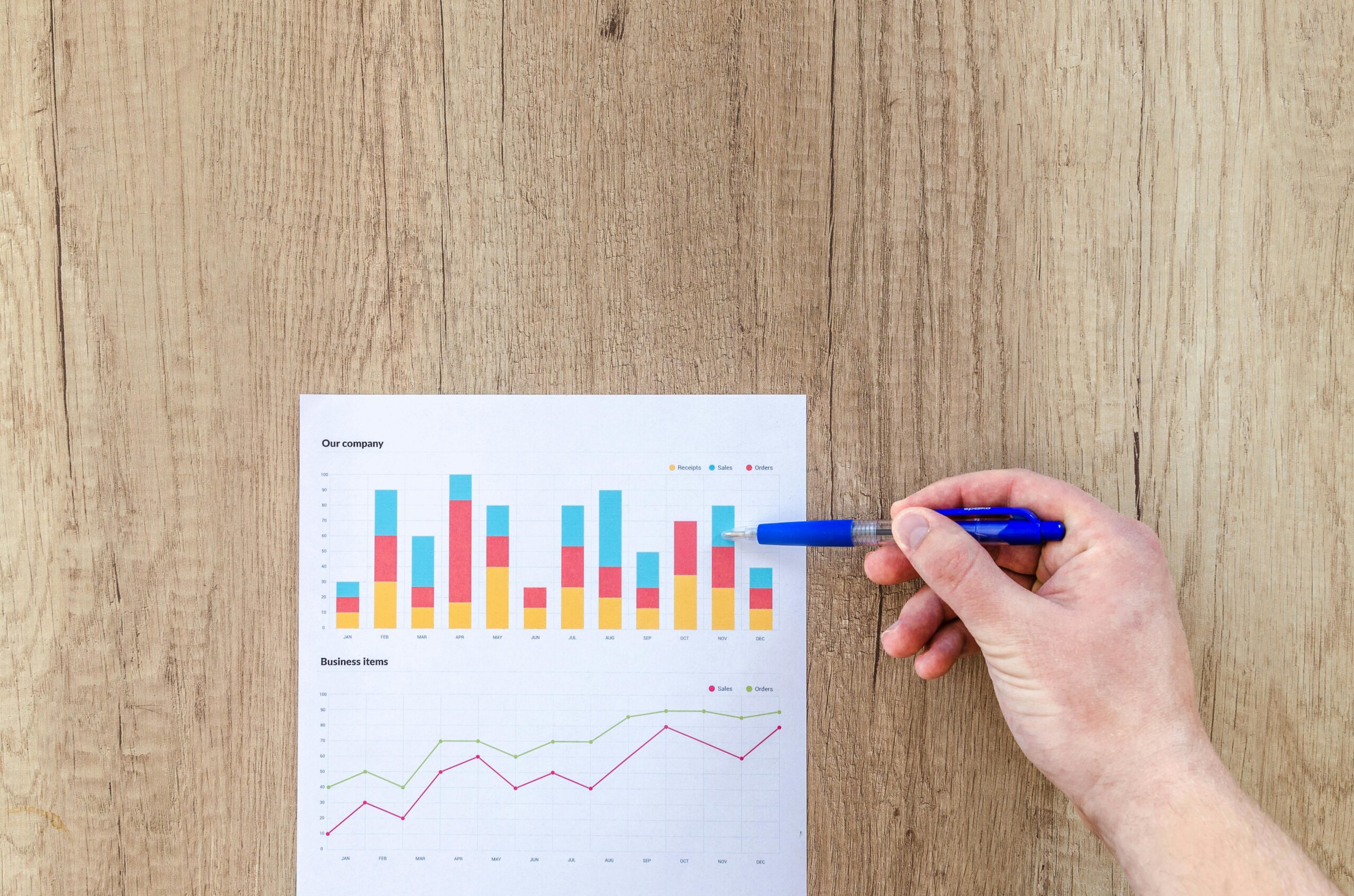
Traffic congestion has become an invisible tax on modern society, silently draining billions from our economies while accelerating environmental degradation across urban landscapes worldwide.

🚗 The Growing Crisis on Our Roads
Every morning, millions of commuters worldwide face the same frustrating reality: bumper-to-bumper traffic that transforms what should be a 20-minute journey into an hour-long ordeal. This daily gridlock represents far more than mere inconvenience. Behind every stalled vehicle and delayed journey lies a complex web of economic losses, environmental damage, and social costs that few fully comprehend.
Urban areas across the globe are experiencing unprecedented traffic congestion levels. Cities like Los Angeles, London, Mumbai, and São Paulo regularly top lists of the world’s most congested metropolitan areas. The problem isn’t confined to megacities either—medium-sized urban centers increasingly struggle with traffic volumes their infrastructure was never designed to handle.
Understanding the true cost of traffic congestion requires looking beyond the obvious frustration of delayed commutes. The hidden expenses permeate every aspect of our economy and environment, affecting everything from business productivity to public health, from carbon emissions to urban planning challenges.
💰 The Economic Toll: More Than Wasted Time
The economic impact of traffic congestion extends far beyond the fuel wasted while idling in traffic. According to various studies, traffic congestion costs major economies billions annually, with the United States alone losing approximately $160 billion per year to gridlock-related expenses.
Direct Financial Losses to Individuals
For individual commuters, traffic congestion translates into tangible financial losses. The average driver in heavily congested cities loses between 50 to 100 hours annually sitting in traffic. When calculating the value of this lost time using average wage rates, plus the additional fuel consumed during congested periods, individual losses can reach $1,000 to $2,000 per year.
These costs include:
- Increased fuel consumption from stop-and-go driving patterns
- Accelerated vehicle wear and tear from constant braking and acceleration
- Lost productivity during commute times
- Higher insurance premiums in congestion-prone areas
- Opportunity costs of time that could be spent on productive or leisure activities
Business and Commercial Impact
Businesses bear substantial costs from traffic congestion that ultimately get passed to consumers through higher prices. Delivery companies face increased operational expenses as their fleets spend more time on roads while consuming more fuel. The logistics industry, which forms the backbone of modern commerce, suffers particularly acute impacts.
Manufacturing and retail businesses experience delayed shipments, disrupted just-in-time supply chains, and increased inventory costs. Service providers find their workforce spending unproductive hours in transit rather than serving clients. These inefficiencies ripple through entire economic systems, reducing overall productivity and competitiveness.
Regional Economic Competitiveness
Cities with severe traffic congestion face competitive disadvantages in attracting businesses and skilled workers. Companies increasingly consider transportation infrastructure quality when making location decisions. Regions unable to manage traffic effectively may see businesses relocating to areas offering better connectivity and reduced logistics costs.
🌍 Environmental Consequences: The Hidden Carbon Cost
While economic costs capture headlines, the environmental impact of traffic congestion represents an equally serious concern. Vehicles stuck in traffic produce significantly more emissions per mile traveled than those moving at optimal speeds, contributing disproportionately to air pollution and climate change.
Greenhouse Gas Emissions and Climate Impact
Traffic congestion substantially increases greenhouse gas emissions. Studies indicate that congestion can increase CO2 emissions by 40-60% compared to free-flowing traffic conditions. When vehicles operate in stop-and-go patterns, engines run inefficiently, burning more fuel and producing more carbon dioxide per mile traveled.
Globally, the excess emissions from traffic congestion contribute millions of tons of CO2 annually to the atmosphere. As cities worldwide commit to carbon reduction targets, addressing traffic congestion becomes essential to meeting climate goals. The connection between traffic flow optimization and emissions reduction cannot be overstated.
Local Air Quality and Public Health
Beyond climate implications, traffic congestion severely impacts local air quality. Concentrated vehicle emissions in congested areas increase levels of nitrogen oxides, particulate matter, and other pollutants linked to respiratory diseases, cardiovascular problems, and premature mortality.
Residents living near major congestion corridors face elevated health risks. Children, elderly individuals, and those with pre-existing conditions are particularly vulnerable. The public health costs associated with traffic-related air pollution add billions to healthcare systems annually, representing another hidden cost of gridlock.
Noise Pollution and Urban Livability
Heavy traffic generates constant noise pollution that degrades quality of life in urban areas. Chronic exposure to traffic noise has been linked to stress, sleep disturbances, cognitive impairment in children, and cardiovascular disease. The cumulative effect diminishes urban livability and can decrease property values in heavily affected areas.
🕐 The Social Dimension: Quality of Life Impact
Traffic congestion’s impact on daily life extends into psychological and social realms that defy easy quantification but profoundly affect human wellbeing and social cohesion.
Stress and Mental Health
Regular exposure to traffic congestion elevates stress levels significantly. The psychological toll of unpredictable commute times, aggressive driving behaviors, and feeling trapped in traffic contributes to anxiety, depression, and reduced life satisfaction. Studies consistently show that long, congested commutes rank among the most stressful daily activities people experience.
The stress doesn’t end when drivers reach their destinations. Traffic-induced stress carries over into work and home life, affecting productivity, workplace relationships, and family dynamics. The cumulative mental health burden represents a substantial, though often invisible, social cost.
Work-Life Balance Erosion
Extended commute times due to congestion directly reduce time available for family, recreation, exercise, and rest. Parents miss children’s activities, individuals forego healthy habits, and social connections weaken when traffic consumes hours that could be spent on meaningful activities.
This erosion of work-life balance affects overall wellbeing and social cohesion. Communities become collections of stressed commuters rather than engaged neighbors when traffic congestion dominates daily schedules.
🏙️ Urban Planning Challenges and Infrastructure Strain
Traffic congestion both results from and contributes to urban planning challenges that cities struggle to address effectively. Understanding this dynamic is crucial for developing sustainable solutions.
The Infrastructure Investment Paradox
Traditional responses to congestion—building more roads and expanding highways—often prove counterproductive due to a phenomenon called induced demand. When new road capacity is added, it temporarily relieves congestion, but this improved flow attracts more drivers, ultimately returning congestion to previous levels or worse.
This paradox creates difficult choices for city planners and policymakers. Massive infrastructure investments may provide only temporary relief while consuming resources that could address root causes of congestion through alternative transportation options, land-use reforms, or demand management strategies.
Urban Sprawl Amplification
Congestion and urban planning interact in complex ways. As city centers become congested, development pushes outward, creating sprawling metropolitan areas that increase travel distances and automobile dependency. This sprawl generates more traffic, creating a self-reinforcing cycle that makes congestion progressively harder to solve.
📊 Measuring the True Cost: A Comprehensive View
Accurately quantifying traffic congestion’s total cost requires considering multiple dimensions simultaneously. While challenging, such comprehensive assessments reveal the staggering scale of this urban challenge.
| Cost Category | Annual Impact (Major Cities) | Primary Effects |
|---|---|---|
| Lost Productivity | $50-80 billion | Delayed commutes, reduced work hours |
| Excess Fuel Consumption | $30-45 billion | Inefficient stop-and-go driving |
| Environmental Damage | $25-40 billion | Health costs, climate impact |
| Business Logistics | $40-60 billion | Delayed deliveries, higher costs |
🚀 Innovative Solutions: Technology and Policy Responses
Addressing traffic congestion requires multifaceted approaches combining technological innovation, policy reforms, and behavioral changes. No single solution suffices; effective strategies integrate multiple interventions tailored to specific urban contexts.
Smart Traffic Management Systems
Modern traffic management leverages real-time data, artificial intelligence, and connected infrastructure to optimize traffic flow. Adaptive signal timing adjusts to current conditions, reducing unnecessary stops. Integrated systems coordinate signals across networks, creating “green waves” that improve flow along major corridors.
Navigation applications help drivers avoid congested routes, distributing traffic more efficiently across road networks. These tools reduce overall system congestion by providing real-time information that enables better routing decisions.
Public Transportation Investment
Robust public transportation systems offer the most effective long-term congestion relief. Each bus or train removes dozens of private vehicles from roads. Cities with extensive metro systems, bus rapid transit networks, and commuter rail connections consistently show lower congestion levels than automobile-dependent metropolitan areas.
However, public transportation requires substantial investment and careful planning to provide service quality that convinces drivers to leave cars behind. Frequency, reliability, coverage, and comfort all influence whether public transit successfully reduces congestion.
Demand Management Strategies
Reducing traffic demand during peak periods addresses congestion at its source. Strategies include:
- Congestion pricing that charges vehicles for entering high-traffic zones during peak hours
- Flexible work arrangements encouraging remote work and staggered schedules
- Parking policies that make private vehicle use less convenient and affordable
- Incentive programs promoting carpooling and alternative transportation
These approaches face political challenges but have proven effective where implemented with adequate public support and complementary transportation alternatives.
Urban Design and Land-Use Reform
Long-term congestion reduction requires rethinking urban development patterns. Mixed-use neighborhoods where people can live near work, shopping, and services reduce travel distances and enable walking or cycling for daily needs. Transit-oriented development concentrates housing and commercial activity near public transportation nodes, reducing automobile dependency.
These approaches require patient, sustained effort but address fundamental causes of traffic congestion rather than merely managing symptoms.
🌟 The Path Forward: Integrated Solutions for Sustainable Mobility
Solving traffic congestion demands comprehensive strategies that simultaneously address economic efficiency, environmental sustainability, and quality of life. Cities worldwide are experimenting with integrated approaches that combine multiple interventions into coherent mobility strategies.
Learning from Success Stories
Several cities demonstrate what’s possible with committed, comprehensive approaches. Singapore’s integrated system combining congestion pricing, excellent public transportation, and controlled vehicle ownership has maintained reasonable traffic flow despite high population density. Copenhagen’s investment in cycling infrastructure has made bicycles the preferred commute mode for large portions of its population. Tokyo’s extensive rail network moves millions daily with remarkable efficiency.
These examples show that while contexts vary, certain principles consistently work: prioritizing alternatives to private vehicles, managing demand intelligently, and investing sustained political will in long-term solutions.
The Role of Emerging Technologies
Autonomous vehicles, electric mobility, and shared transportation services promise to reshape urban transportation fundamentally. Self-driving cars could optimize traffic flow through coordinated movement and reduced human error. Electric vehicles eliminate local emissions, addressing air quality concerns. Ride-sharing and micro-mobility options offer flexible alternatives to private car ownership.
However, technology alone won’t solve congestion. Without proper management, autonomous vehicles might increase total vehicle miles traveled, worsening congestion despite improved flow. Technological solutions must integrate with sound policy frameworks to achieve desired outcomes.
💡 Transforming Challenges into Opportunities
While traffic congestion presents serious challenges, addressing it creates opportunities for economic innovation, environmental progress, and improved urban living. Cities that successfully tackle congestion become more competitive, sustainable, and livable.
The economic resources currently wasted in gridlock could fund substantial improvements in infrastructure, education, healthcare, and other public priorities. The time individuals reclaim from shorter, less stressful commutes enhances wellbeing and productivity. The environmental benefits contribute to climate goals while improving public health.
Solving traffic congestion requires acknowledging its true costs across economic, environmental, and social dimensions. Only by understanding the full scope of this challenge can societies mobilize the political will and resources necessary for effective solutions. The hidden costs of gridlock are too substantial to ignore, and the benefits of addressing them too significant to postpone.
The journey toward congestion-free cities demands patience, investment, and integrated thinking. But the destination—efficient, sustainable, livable urban environments—justifies the effort. As cities continue growing and transportation demands increase, the question isn’t whether we can afford to address traffic congestion, but whether we can afford not to.