
The age-old debate between urban excitement and rural tranquility continues to shape how millions of people choose where to build their lives and futures.

🌆 The Magnetic Pull of City Living
Urban centers have always been magnets for human ambition, creativity, and progress. Cities pulse with energy that seems almost tangible—the constant hum of traffic, the glow of countless windows lighting up the night sky, and the promise of opportunity around every corner. For many, this is the soundtrack of possibility.
Metropolitan areas offer unparalleled access to career advancement, cultural experiences, and social connections. Within a few blocks, you might find world-class museums, innovative restaurants representing dozens of cuisines, theaters showcasing cutting-edge performances, and networking events that could change your professional trajectory overnight.
The convenience factor in cities cannot be overstated. Need groceries at midnight? There’s a store for that. Craving authentic Thai food, Italian pastries, or Ethiopian cuisine? Multiple options exist within walking distance. Public transportation systems, rideshare services, and bike-sharing programs mean you might not even need to own a car, saving thousands annually while reducing your environmental footprint.
Career Opportunities in the Urban Jungle
Cities remain the undisputed champions when it comes to professional advancement. Corporate headquarters, startup incubators, creative agencies, and specialized industries cluster in metropolitan areas, creating ecosystems where talent, capital, and innovation collide. The sheer density of businesses means more job openings, higher salaries, and greater possibilities for career pivots.
For young professionals, cities offer something invaluable: the chance to be surrounded by other ambitious individuals. The coffee shop might be filled with entrepreneurs drafting business plans, the coworking space buzzes with freelancers from diverse industries, and professional meetups happen almost every evening. This environment naturally fosters growth, learning, and unexpected collaborations.
🌾 The Soulful Simplicity of Rural Living
Step away from the concrete jungle, and an entirely different world reveals itself—one where the rhythm of life synchronizes with natural cycles rather than subway schedules. Rural living offers something increasingly rare in our hyperconnected age: genuine peace and the space to breathe, think, and simply exist without constant stimulation.
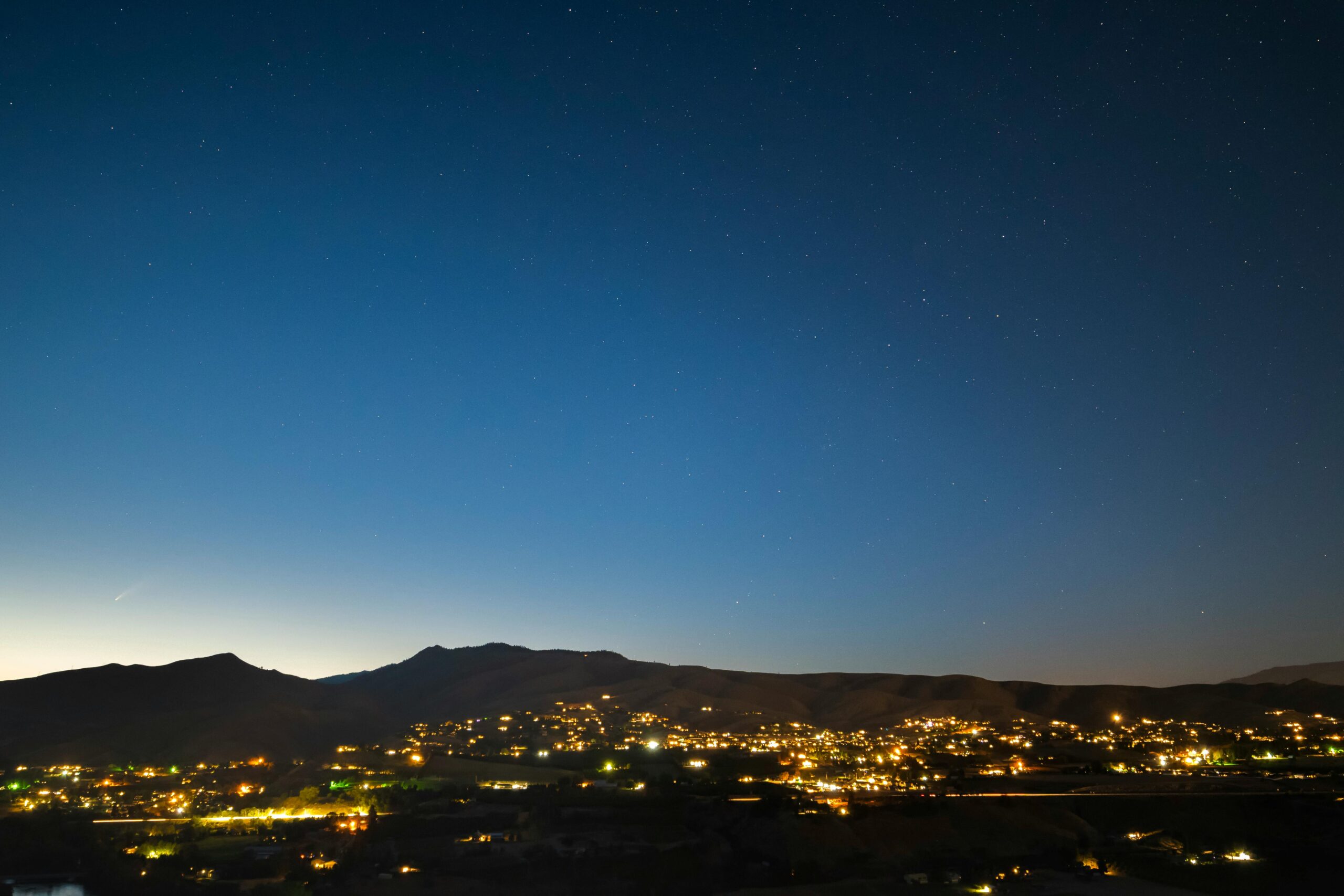
The countryside presents a lifestyle where your neighbors know your name, where community bonds form through shared experiences rather than digital connections, and where the stars aren’t drowned out by light pollution. Here, the morning alarm might be a rooster’s crow instead of traffic noise, and the evening entertainment could be a sunset painting the sky in impossible colors.
Property ownership becomes achievable in rural areas in ways that seem like fantasy to city dwellers. The price of a cramped urban apartment might buy you acres of land, a substantial home, and perhaps even space for gardens, workshops, or small-scale farming. This economic advantage fundamentally changes what’s possible for families and individuals alike.
Health Benefits Beyond the Obvious
The health advantages of rural living extend far beyond cleaner air and lower pollution levels. Studies consistently show that people in rural areas experience less chronic stress, have lower rates of certain mental health conditions, and often report higher life satisfaction despite having less access to amenities.
The connection to nature isn’t just aesthetic—it’s therapeutic. Gardening, hiking, fishing, or simply walking through fields and forests provides both exercise and mental restoration. Children growing up in rural environments tend to have stronger immune systems, fewer allergies, and more developed spatial reasoning skills from navigating natural environments.
💰 The Financial Reality Check
Money matters deeply influence the urban-rural decision, but not always in obvious ways. While rural living typically offers lower housing costs, reduced property taxes, and cheaper daily expenses, the financial equation involves more variables than simple cost comparisons.
Urban salaries generally exceed rural wages significantly, sometimes by 30-50% or more for comparable positions. However, that higher income faces higher costs—rent or mortgage payments that consume 40-50% of income, expensive parking, premium prices for goods and services, and the constant temptation of costly entertainment options.
Rural residents often find their money stretches further despite earning less. Housing might cost half or a third of urban equivalents. Property taxes stay manageable. Homegrown produce reduces grocery bills. Entertainment comes from community events, outdoor activities, and personal hobbies rather than expensive venues and subscriptions.
The Hidden Costs Nobody Mentions
Both lifestyles carry hidden expenses that surprise newcomers. Urban dwellers face costs like premium delivery fees, storage unit rentals for belongings that don’t fit in small apartments, and the psychological toll of constant comparison with neighbors’ lifestyles. Rural residents discover expenses like well maintenance, septic system repairs, longer commutes requiring reliable vehicles, and higher heating costs for larger homes.
👨👩👧👦 Family Considerations and Life Stages
The ideal living environment often shifts dramatically depending on your life stage and family situation. Young singles and couples frequently gravitate toward cities, drawn by dating opportunities, vibrant nightlife, and career-building prospects. The compromises of small living spaces and noise seem worthwhile when adventure lies just outside your door.
Parenthood often triggers reassessment. Suddenly, that charming studio apartment feels impossibly cramped. The busy streets seem dangerous rather than exciting. The lack of a backyard becomes a daily frustration. Many families find themselves yearning for the space, safety, and community orientation that rural and suburban areas provide.
Rural environments offer children freedoms increasingly rare in modern life—the ability to roam, explore, and develop independence. Kids can bike to friends’ houses, build forts in the woods, and experience the kind of unstructured outdoor play that fosters creativity and problem-solving skills. Schools typically have smaller class sizes, allowing more individualized attention.
Social Life Across the Divide
Urban social life operates on breadth—hundreds of acquaintances, diverse friend groups, and constant opportunities to meet new people. Rural social life emphasizes depth—smaller circles of friends who become like family, multi-generational relationships, and communities where people genuinely look out for each other.
Cities offer anonymity that some people cherish. You can reinvent yourself, explore different identities, and live without everyone knowing your business. Rural areas provide accountability and support—your community notices when you’re struggling and shows up to help, but they also notice everything else.
🚗 Transportation and Accessibility Tradeoffs
How you move through the world differs dramatically between urban and rural settings. City dwellers often enjoy car-free lifestyles, using combinations of walking, cycling, public transit, and occasional rideshares. This reduces expenses while increasing daily physical activity and potentially lowering stress from driving.
Rural life almost always requires vehicle ownership—often multiple vehicles per household. Distances between home, work, school, and services make cars essential rather than optional. This means ongoing expenses for purchases, insurance, fuel, and maintenance, plus the time spent commuting on rural roads.
However, rural driving involves less traffic stress, shorter actual commute times despite longer distances, and peaceful journeys through scenic landscapes. Urban transit, while convenient, involves crowded conditions, delays, and the constant proximity to strangers that some find draining.
📱 Technology and Connectivity Considerations
The digital divide between urban and rural areas has narrowed but hasn’t disappeared. Cities typically offer multiple high-speed internet providers, reliable cellular coverage everywhere, and early access to new technological services. Remote work becomes seamless with infrastructure designed for constant connectivity.
Rural areas increasingly offer adequate internet service, but availability varies dramatically. Some locations now have fiber optic connections rivaling urban speeds, while others struggle with slow DSL or satellite service. This digital infrastructure directly impacts remote work viability, entertainment options, and even property values.
For digital nomads and remote workers, location flexibility has transformed the equation. Why pay urban prices for urban connectivity when rural fiber can provide similar speeds for a fraction of the cost? This trend accelerated dramatically after recent global shifts toward remote work, with many professionals permanently relocating to rural areas.
🏥 Healthcare and Essential Services
Access to healthcare represents one of the most significant practical differences between urban and rural living. Cities host specialized medical centers, numerous hospitals, urgent care facilities, and practitioners for every conceivable specialty. Need a pediatric dermatologist or sports medicine specialist? You’ll find several options nearby.
Rural healthcare requires more planning and often longer drives for specialized care. While small towns typically have general practitioners and perhaps a small hospital, complex medical needs may require trips to regional centers hours away. For families with chronic health conditions or elderly members, this accessibility gap deserves serious consideration.
Emergency response times also vary significantly. Urban areas typically promise ambulance arrival within minutes, while rural emergencies might face 20-30 minute response times or more. This reality doesn’t make rural living impossible, but it does require different preparation and awareness.
🎨 Culture, Entertainment, and Personal Growth
Urban environments excel at providing endless cultural stimulation—concerts, art galleries, theater productions, film festivals, lectures by renowned speakers, and workshops on every imaginable topic. This constant exposure to new ideas, perspectives, and creative expressions fuels personal growth and intellectual development.
Rural areas offer cultural experiences too, just different ones. Local theater groups, county fairs, community festivals, craft circles, and historical societies provide connection and enrichment. The culture emphasizes participation over consumption—you’re more likely to join the community theater than just attend performances, to play music with neighbors rather than just listen to professionals.
For self-directed learners, location matters less than ever. Online courses, digital libraries, streaming services, and virtual communities provide rural residents access to much of what cities offer culturally. The difference lies more in spontaneous, in-person experiences and the density of options available at any given moment.
🌍 Environmental Impact and Sustainability
The environmental equation isn’t as straightforward as it might seem. Urban living often creates a smaller per-capita carbon footprint—compact housing is more energy-efficient, public transportation reduces emissions, and walking-based lifestyles eliminate countless car trips. Cities use land more efficiently, preserving surrounding natural areas.
Rural living offers different sustainability opportunities. Space for solar panels, gardens, composting systems, and rainwater collection allows greater self-sufficiency. Some rural residents embrace homesteading practices, raising chickens, maintaining vegetable gardens, and reducing dependence on industrial food systems. The carbon cost of longer drives might be offset by lower overall consumption and more sustainable daily practices.
🔄 Making the Transition: What Nobody Tells You
Moving between urban and rural environments involves adjustment periods that catch many people off-guard. City newcomers often experience sensory overload initially—the constant noise, crowds, and stimulation can feel overwhelming. Learning to navigate public transit, understanding neighborhood dynamics, and building new social networks takes time and effort.
Rural transplants face their own challenges. The silence can feel eerie rather than peaceful at first. The slower pace might trigger restlessness. Limited shopping and dining options require more planning. Building community connections takes longer when there aren’t ready-made social venues like coffee shops and bars.
Successful transitions typically require embracing the new environment’s rhythms rather than trying to recreate your previous lifestyle. Urban newcomers thrive when they engage with city energy—trying new restaurants, attending events, exploring different neighborhoods. Rural newcomers succeed by participating in community life, developing outdoor hobbies, and finding contentment in simplicity.
🎯 Finding Your Personal Answer
The ultimate urban versus rural decision depends entirely on individual values, priorities, and life circumstances. No objectively correct answer exists—only the right answer for you, at this particular stage of your life. Some questions worth contemplating include:
- What energizes you—human activity and cultural stimulation, or natural beauty and quiet reflection?
- How important is career advancement versus quality of life and work-life balance?
- Do you value diverse social networks or deep community connections?
- What financial tradeoffs are you willing to make—higher income with higher costs, or lower expenses with modest earnings?
- How do you prefer spending free time—attending events and venues, or outdoor activities and home projects?
- What role does convenience play in your daily happiness?
- How important is access to specialized services, healthcare, and cultural amenities?
Remember that this decision isn’t necessarily permanent. Many people live urban lifestyles during career-building years, then transition to rural settings for family life or retirement. Others alternate between environments, keeping city apartments while maintaining country retreats, or trying different locations seasonally.
🌟 Creating Hybrid Solutions
Increasingly, people are discovering middle-ground options that capture advantages from both worlds. Small cities and large towns offer more cultural amenities and career opportunities than truly rural areas, while maintaining lower costs and easier access to nature than major metropolitan centers.
Suburban areas near major cities provide space and community while keeping urban amenities within reach. Exurban properties offer rural character with reasonable commutes to urban jobs. College towns combine intellectual stimulation and cultural offerings with smaller-town affordability and pace.
Remote work has expanded possibilities dramatically, allowing people to choose locations based on lifestyle preferences rather than job proximity. This flexibility enables creative solutions—living rurally while maintaining urban income levels, or splitting time between different environments seasonally.
💭 The Choice That Shapes Your Story
Where you live profoundly influences who you become. Urban environments tend to foster ambition, adaptability, cultural sophistication, and comfort with diversity and change. Rural settings often cultivate self-reliance, environmental awareness, strong community bonds, and appreciation for simplicity and natural rhythms.
Neither environment is superior—they simply offer different challenges, rewards, and opportunities for growth. The key lies in honest self-assessment about what truly matters to you, not what society suggests should matter, or what looks appealing in others’ social media posts.
Your perfect living environment aligns with your authentic values, supports your genuine goals, and provides the daily experiences that bring you satisfaction and peace. Whether that means city lights or country nights, the most important factor is conscious choice based on self-knowledge rather than default decisions or unexamined assumptions.
The urban-rural tradeoff dilemma ultimately asks you to prioritize what matters most in your one precious life. Answer that question honestly, and you’ll find your way home—whether that home overlooks a city skyline or a starlit field.