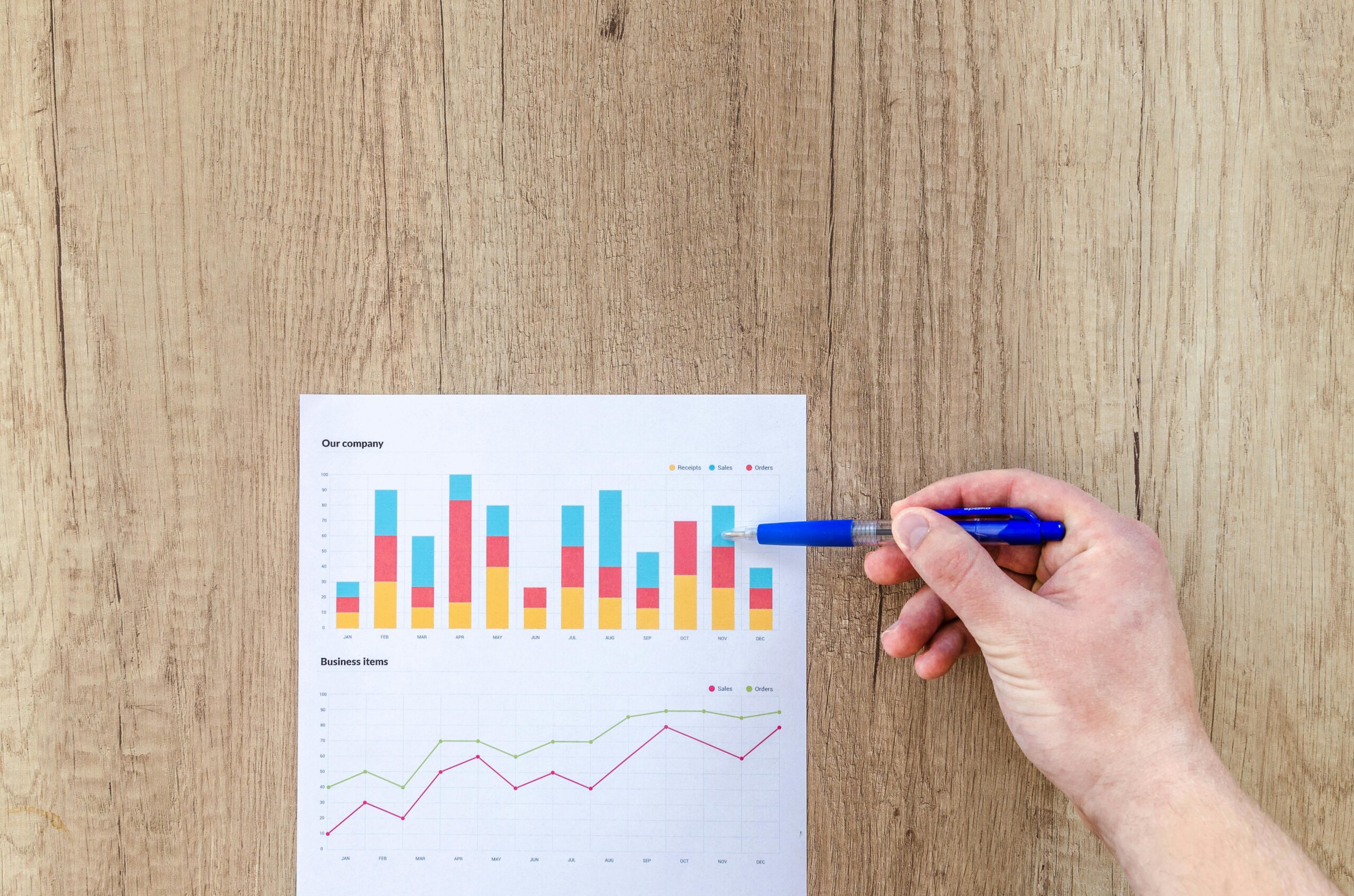
In today’s fast-paced world, optimizing your daily journey through smart distance minimization and time-saving strategies has become essential for productivity, well-being, and overall life satisfaction.

🚀 The Modern Challenge of Distance and Time Management
We live in an era where every minute counts, yet many of us spend hours each day commuting, traveling, or simply moving from one location to another. The average person wastes approximately 54 hours per year just sitting in traffic, while countless more hours are lost to inefficient route planning and poor time management decisions. This accumulated time represents not just lost productivity, but also increased stress, reduced quality of life, and environmental impact through unnecessary fuel consumption.
The concept of distance minimization isn’t merely about reducing physical kilometers traveled—it’s a holistic approach to organizing your life in ways that create maximum efficiency while maintaining flexibility and quality of life. When combined with strategic time-saving techniques, this approach can transform your daily routine from chaotic and exhausting to streamlined and energizing.
Understanding the Psychology Behind Distance Perception
Before diving into practical strategies, it’s crucial to understand how our brains perceive distance and time. Research in behavioral psychology reveals that humans often make irrational decisions about travel based on perceived rather than actual distance. A 15-minute drive might feel shorter than a 10-minute walk, even though the walking option would be healthier and potentially faster in congested areas.
This cognitive bias affects everything from where we choose to live, work, and shop, to how we plan our daily activities. By becoming aware of these mental shortcuts, we can make more rational decisions that truly minimize both distance and time expenditure. The key lies in measuring actual travel time under realistic conditions rather than relying on optimistic estimates or habitual thinking patterns.
📍 Strategic Location Optimization: The Foundation of Distance Minimization
The most impactful distance minimization strategy begins with thoughtful location decisions. Whether you’re choosing where to live, where to establish a business, or where to run daily errands, proximity to your most frequent destinations should be a primary consideration.
The 15-Minute City Concept
Urban planners increasingly advocate for the “15-minute city” model, where residents can access most of their daily needs—work, shopping, healthcare, education, and recreation—within a 15-minute walk or bike ride. While not everyone can live in such ideally designed neighborhoods, the principle can guide your personal optimization efforts.
Start by mapping out your most frequent destinations over a typical month. This might include your workplace, children’s schools, grocery stores, gym, medical facilities, and social venues. Identify clusters where multiple important locations converge, and consider how your residential or work location choices could minimize total travel time across all these points.
The Hub-and-Spoke Approach
For those unable to relocate, the hub-and-spoke strategy offers an alternative. Designate a central “hub” location—typically your home or workplace—and organize activities in geographical clusters that radiate from this center. Plan errands and appointments in batches according to direction and proximity, eliminating backtracking and redundant travel.
Technology-Powered Route Optimization 🗺️
Modern technology offers unprecedented tools for minimizing travel distance and time. Navigation apps have evolved far beyond simple point-to-point directions, now incorporating real-time traffic data, multi-stop optimization, and predictive analytics.
Google Maps remains the gold standard for most users, offering features like departure time optimization that calculates the best time to leave based on typical traffic patterns. The app can also optimize routes with multiple stops, automatically reordering destinations to create the most efficient path. For those seeking more advanced features, dedicated route planning applications can handle complex logistics with dozens of stops.
Waze offers community-driven real-time updates about accidents, road closures, and police activity, often providing more current information than other services. The app’s strength lies in its dynamic rerouting capabilities, which can save significant time during unexpected traffic incidents.
Leveraging Predictive Analytics
Beyond reactive navigation, predictive analytics can transform your planning process. Many calendar and productivity apps now integrate with mapping services to suggest optimal meeting times based on travel requirements. These systems can alert you to leave earlier than usual when traffic conditions are predicted to worsen, or suggest alternative routes before you even begin your journey.
Time-Blocking and Geographical Clustering
One of the most effective time-saving strategies involves restructuring your schedule around geographical logic rather than arbitrary time slots. This approach, called geographical time-blocking, groups activities by location rather than by task type or priority alone.
Instead of scheduling appointments chronologically as they arise, consider batching commitments that are geographically proximate, even if they occur on the same day. For example, if you need to visit a particular neighborhood for one appointment, check whether other errands or meetings could be consolidated into that same trip. This might mean slightly adjusting meeting times, but the time savings from reduced travel often far outweigh minor scheduling inconveniences.
The Power of Themed Days
Some productivity experts advocate for themed days that combine geographical clustering with task batching. For instance, designating Tuesdays for all appointments in the northern part of your city, Thursdays for southern locations, and keeping other days primarily office- or home-based. This approach minimizes daily transitions between distant locations and creates predictable patterns that reduce decision fatigue.
⏰ Mastering Micro-Efficiencies in Daily Routines
While major location and scheduling decisions provide the foundation for distance and time optimization, micro-efficiencies in daily execution can compound into substantial savings over time.
Strategic Parking and Drop-off Locations
In urban environments, parking location can significantly impact total trip time. Research shows that drivers spend an average of 17 hours per year just searching for parking. Learning the parking patterns of your frequent destinations—which times and locations typically have availability—can eliminate this waste. Sometimes, parking slightly farther from your destination in a reliably available spot saves more time than circling for the closest space.
Understanding Peak and Off-Peak Patterns
Every location has rhythms of congestion and calm. Grocery stores are typically less crowded early morning or late evening. Government offices often have shorter lines mid-week and mid-month. Gyms are packed before work and after 5 PM but nearly empty at 2 PM. By shifting activities to off-peak times when possible, you not only reduce travel time through lighter traffic but also spend less time waiting once you arrive.
The Remote Work Revolution and Distance Elimination
The dramatic expansion of remote work capabilities represents perhaps the most profound distance minimization strategy available to modern workers. By eliminating the daily commute entirely—even just a few days per week—professionals can reclaim substantial time and reduce stress.
However, successful remote work requires discipline and structure to prevent the collapse of boundaries between work and personal life. The distance saved from commuting should be intentionally reallocated rather than simply absorbed into longer working hours. Many remote workers find success by using their former commute time for exercise, family connection, or skill development.
Hybrid Models for Optimal Balance
For positions that can’t be fully remote, hybrid arrangements often provide the best balance. Working from home on days with few in-person meetings and coming to the office when face-to-face collaboration adds value maximizes both productivity and work-life balance. Strategic scheduling of all in-office obligations on the same days minimizes total commute frequency while maintaining important interpersonal connections.
🛍️ Digital Services and Delivery Optimization
The explosion of delivery services for groceries, meals, prescriptions, and countless other goods represents another powerful distance minimization tool. However, the convenience comes with costs—both financial and environmental—that require thoughtful management.
The key to optimal delivery use involves calculating the true value of your time. If a $10 delivery fee saves you 90 minutes of shopping time, and your time is worth more than $6.67 per hour to you, the delivery makes economic sense. However, bundling orders to minimize delivery frequency and choosing services with efficient routing algorithms helps reduce both costs and environmental impact.
Strategic Subscription Services
Subscription models for regular purchases—from groceries to household supplies—eliminate both distance and decision-making time. By establishing automatic delivery for items you regularly consume, you remove these purchases from your mental load entirely. The time savings come not just from eliminated trips but from reduced planning and shopping decisions.
Public Transportation and Multimodal Strategies
In many urban areas, public transportation offers time savings that private vehicles cannot match, particularly during peak congestion. However, the total door-to-door time must be considered, including walks to stations, waiting periods, and transfers.
The most efficient urban travelers adopt multimodal strategies, using different transportation methods based on specific trip characteristics. A bicycle for short trips, public transit for congested corridors, rideshare for time-critical appointments, and personal vehicles for trips involving multiple stops or off-peak travel creates optimal flexibility.
Micro-Mobility Integration
Electric scooters, bikes, and other micro-mobility options excel at solving the “last mile” problem—the gap between public transit stations and final destinations. These tools can transform a marginally impractical transit route into a highly efficient option by eliminating time-consuming walks or unreliable bus connections.
🎯 Measuring and Continuously Improving Your System
Optimization is an ongoing process rather than a one-time achievement. The most successful practitioners of distance minimization and time-saving regularly measure their actual time expenditures and adjust strategies based on data rather than assumptions.
Consider tracking your travel time for a typical month, noting not just transit time but also preparation, parking, walking, and waiting. This baseline data reveals your actual time investment and identifies the highest-impact optimization opportunities. Many people discover that their perceived time expenditures differ dramatically from reality, leading to misallocated optimization efforts.
The 80/20 Analysis
Apply the Pareto principle to your travel patterns. Typically, roughly 20% of your destinations account for 80% of your travel time. Identifying these high-frequency, high-time destinations allows you to focus optimization efforts where they’ll yield the greatest returns. Even small improvements to your daily commute or weekly grocery trip compound into substantial annual savings.
Building Margin Into Your System
Paradoxically, effective time optimization requires building buffer time into your schedule rather than eliminating all slack. Attempting to maximize every minute through back-to-back commitments with no travel margin creates a fragile system where any disruption cascades into stress and delays.
Research in operations management demonstrates that systems operating at maximum capacity become exponentially less reliable. Building 15-20% time margins between commitments—particularly those requiring travel—creates resilience that actually improves overall efficiency by preventing the time waste associated with lateness, missed connections, and stress-induced poor decisions.
💡 The Lifestyle Integration Approach
The most sustainable distance minimization and time-saving strategies integrate seamlessly into your lifestyle rather than requiring constant conscious effort. This integration happens through habit formation and environmental design.
Place items you frequently need in your vehicle so you don’t waste time returning home for forgotten items. Establish routines where you check your full day’s schedule each morning and prepare accordingly. Create location-based reminders that trigger when you’re near specific places, ensuring you remember errands when you’re already in the right area.
Family and Household Coordination
For families, coordination multiplies both challenges and opportunities. Shared calendar systems that display everyone’s locations and commitments enable smart carpooling and errand consolidation. Rather than each family member making separate trips, strategic planning can often accomplish multiple objectives in single outings.
Environmental and Economic Benefits
Beyond personal time savings, optimized distance minimization delivers substantial environmental and economic benefits. Reduced driving directly translates to lower fuel costs, decreased vehicle wear, and reduced carbon emissions. These benefits scale dramatically when adopted widely, contributing to reduced traffic congestion and improved air quality that benefits entire communities.
The financial savings from distance minimization often exceed obvious fuel cost reductions. Fewer miles driven means less frequent maintenance, longer vehicle lifespan, and potentially lower insurance costs. For those able to eliminate vehicle ownership entirely through strategic location choices and service use, annual savings can reach thousands of dollars.
🌟 Creating Your Personalized Optimization Blueprint
Every individual’s optimal distance and time management strategy differs based on unique circumstances, priorities, and constraints. Creating your personalized blueprint begins with honest assessment of your current patterns, identification of your highest priorities, and systematic testing of improvements.
Start with the highest-impact opportunities—typically your daily commute and most frequent errands. Implement one change at a time, measure its actual effect, and adjust before adding additional optimizations. This iterative approach prevents overwhelming yourself while building a customized system that truly serves your specific needs.
Remember that optimization serves life quality rather than existing as an end in itself. The time saved through smart distance minimization and time-saving strategies only provides value when redirected toward activities that genuinely enhance your wellbeing, relationships, productivity, or happiness. Regular reflection on how you’re using reclaimed time ensures your optimization efforts serve your deeper goals rather than simply creating space for more busyness.
The journey toward mastering the balance between distance minimization and time optimization is ongoing, requiring periodic reassessment as life circumstances change. By approaching this challenge strategically, leveraging available technology, and maintaining focus on what truly matters, you can transform daily logistics from a source of stress into a well-oiled system that supports the life you want to live.