
Delivery route sequencing is the backbone of successful logistics operations. When done right, it transforms chaos into clockwork precision, slashing costs and delighting customers.

In today’s fast-paced delivery landscape, businesses can’t afford to waste time, fuel, or resources on inefficient routing. Whether you’re managing a fleet of delivery vehicles or coordinating a team of drivers, mastering the art of route sequencing can dramatically improve your bottom line while enhancing customer satisfaction. This comprehensive guide will walk you through everything you need to know to optimize your delivery operations and stay ahead of the competition.
🚚 Understanding the Fundamentals of Route Sequencing
Route sequencing refers to the strategic process of determining the optimal order in which deliveries should be made along a route. Unlike simple route planning, which focuses on getting from point A to point B, sequencing considers multiple stops, various constraints, and real-world factors that impact delivery efficiency.
The difference between random routing and intelligent sequencing can mean hours saved per driver per day. When you multiply those hours across your entire fleet and extend it over weeks and months, the impact becomes staggering. Companies that implement proper route sequencing typically see immediate improvements in key performance indicators.
At its core, effective route sequencing balances several competing priorities: minimizing total distance traveled, reducing fuel consumption, meeting delivery time windows, respecting driver work hours, and maintaining customer satisfaction. The challenge lies in finding the sweet spot where all these factors align.
The Hidden Costs of Poor Route Planning
Many businesses underestimate how much inefficient routing actually costs them. The expenses extend far beyond obvious fuel consumption. When drivers spend unnecessary time on the road, you’re paying for wasted labor hours that could be directed toward productive activities.
Vehicle maintenance costs escalate with excessive mileage. Brake wear, tire replacement, and general mechanical strain all increase when vehicles cover more ground than necessary. These maintenance issues lead to more frequent downtime, which further impacts your delivery capacity and reliability.
Customer dissatisfaction represents another hidden cost. Late deliveries damage your reputation, reduce repeat business, and generate negative reviews. In the age of social media, one consistently late delivery service can quickly find itself losing market share to more reliable competitors.
Environmental impact also carries increasing weight in today’s market. Excessive fuel consumption means higher carbon emissions, which can affect your brand perception and potentially expose you to environmental regulations or taxes in certain jurisdictions.
📊 Key Factors That Influence Route Optimization
Successful route sequencing requires considering multiple variables simultaneously. Time windows rank among the most critical factors. Many deliveries must occur within specific timeframes, whether it’s a business that closes at 5 PM or a residential customer who’s only home during certain hours.
Traffic patterns vary dramatically throughout the day and across different areas. Morning rush hour in urban centers, school zones during drop-off and pickup times, and construction zones all impact travel times. Historical traffic data combined with real-time updates enables smarter routing decisions.
Delivery priorities create another layer of complexity. Perishable goods, time-sensitive documents, and high-value items may require prioritization over standard deliveries. Your sequencing system must accommodate these varying priority levels without compromising overall efficiency.
Vehicle capacity constraints limit how much any single driver can carry. This affects not just the number of stops per route but also the sequencing of those stops. Heavier items typically need positioning for easier access, while fragile items require careful placement to prevent damage.
Geographic Clustering and Zone-Based Routing
Smart route sequencing starts with geographic clustering. Grouping deliveries by proximity prevents drivers from crisscrossing the same areas multiple times. This fundamental principle reduces redundant mileage and creates more logical route structures.
Zone-based routing takes clustering a step further by dividing your service area into designated zones. Each driver becomes familiar with their assigned zones, learning the quickest routes, best parking spots, and access quirks of different locations. This local knowledge compounds efficiency gains over time.
The optimal size of delivery zones depends on your delivery density and service area characteristics. Urban areas with high stop density benefit from smaller, tightly packed zones. Rural or suburban areas with greater distances between stops require larger geographic zones to maintain viable route economics.
🎯 Strategic Approaches to Route Sequencing
The nearest-neighbor approach represents the simplest sequencing strategy. After completing one delivery, the driver proceeds to the closest remaining stop. While intuitive and easy to understand, this method often produces suboptimal results because it doesn’t consider the overall route structure.
Sweep algorithms offer more sophistication by rotating around a central depot point and assigning stops to routes based on angular position. This creates natural clusters and prevents excessive backtracking. However, it may not account adequately for road networks and actual travel distances.
Time-window-first sequencing prioritizes deliveries with the most restrictive time constraints. By handling these challenging stops first, you reduce the risk of missed delivery windows. The remaining stops with flexible timing fill in around these fixed appointments.
Dynamic sequencing adapts routes in real-time based on changing conditions. When unexpected delays occur, traffic patterns shift, or new urgent deliveries arise, dynamic systems recalculate optimal sequences on the fly. This flexibility prevents minor disruptions from cascading into major problems.
Balancing Multiple Objectives
No single sequencing approach works perfectly for every situation. The most effective strategy often involves balancing multiple objectives through weighted priorities. You might prioritize time-window compliance above all else, then minimize distance as a secondary goal, and finally consider driver preferences as a tertiary factor.
Multi-objective optimization requires sophisticated algorithms that can evaluate thousands of potential route sequences and identify the best compromise solutions. While complex mathematically, modern software makes this optimization accessible to businesses of all sizes.
Technology Tools That Transform Route Planning
Modern route optimization software has revolutionized delivery logistics. These platforms process complex variables that would take humans hours or days to calculate manually. Advanced algorithms evaluate countless routing possibilities in seconds, identifying solutions that human planners might never consider.
GPS tracking integration provides real-time visibility into driver locations and progress. Dispatchers can monitor whether routes are proceeding as planned and identify problems before they become critical. This transparency also enables accurate customer notifications about delivery timing.
Mobile applications empower drivers with turn-by-turn navigation, digital proof of delivery, and instant communication with dispatchers. When drivers can focus on driving and delivering rather than deciphering paper maps or written instructions, productivity soars.
Cloud-based platforms ensure all stakeholders access current information. Route changes sync instantly across devices, customer updates reflect immediately, and management dashboards provide real-time performance metrics. This connected ecosystem eliminates information silos that plague traditional logistics operations.
💡 Implementing Route Sequencing in Your Operations
Successful implementation starts with accurate data collection. Compile complete address information, typical delivery duration estimates, special access instructions, and customer preferences for each stop. The quality of your input data directly determines the quality of your route optimization results.
Start with a pilot program before rolling out changes across your entire operation. Select a subset of routes or a particular geographic area to test your new sequencing approach. This controlled environment allows you to identify issues and refine your process without risking widespread disruption.
Driver buy-in is essential for success. Experienced drivers often resist routing changes, especially when they’ve developed their own systems over years. Involve drivers in the planning process, solicit their feedback, and demonstrate how optimized routes benefit them through reduced stress and earlier finish times.
Continuous monitoring and adjustment separate good route sequencing from great route sequencing. Track key metrics like miles driven, deliveries per hour, on-time performance, and fuel consumption. Use this data to identify opportunities for further refinement and validate the impact of changes you implement.
Training Your Team for Success
Comprehensive training ensures everyone understands both the technology and the strategy behind route sequencing. Drivers need practical instruction on using navigation apps, recording delivery proof, and handling exceptions. Dispatchers require training on optimizing routes, managing dynamic changes, and troubleshooting problems.
Create clear standard operating procedures that document your route sequencing approach. These guidelines should cover route assignment processes, protocols for handling delivery issues, communication expectations, and escalation procedures for problems that arise in the field.
🔍 Measuring and Maximizing Your Results
Establish clear key performance indicators to evaluate route sequencing effectiveness. Average miles per delivery provides a straightforward metric for route efficiency. Declining mileage per stop indicates improved routing, while increasing mileage suggests problems requiring attention.
On-time delivery percentage measures customer service quality. Track both early and late deliveries, as arriving too early can be as problematic as arriving late for some customers. Consistent on-time performance builds customer trust and reduces service complaints.
Cost per delivery encompasses fuel, labor, vehicle maintenance, and overhead costs. This comprehensive metric reveals the true economic impact of your route sequencing efforts. Even small percentage improvements in cost per delivery translate to significant annual savings.
Driver satisfaction represents an often-overlooked metric that significantly impacts long-term success. High driver turnover disrupts operations and increases training costs. Routes that consistently enable drivers to finish on time and avoid excessive stress contribute to better retention and morale.
Advanced Analytics for Continuous Improvement
Pattern analysis helps identify recurring inefficiencies. Perhaps certain areas consistently experience delays, specific time windows create bottlenecks, or particular route combinations prove problematic. Recognizing these patterns enables targeted improvements that address root causes rather than symptoms.
Benchmarking against industry standards provides context for your performance metrics. While every operation has unique characteristics, understanding how your efficiency compares to similar businesses helps identify whether you’re leading the pack or falling behind.
Future-Proofing Your Delivery Operations
Artificial intelligence and machine learning are transforming route optimization from static planning to predictive intelligence. These systems learn from historical data, identifying subtle patterns that improve accuracy over time. They can predict traffic delays, estimate service times more precisely, and even anticipate customer availability based on past behavior.
Electric vehicle adoption introduces new route planning considerations. Battery range, charging station locations, and charging time requirements create constraints that differ from traditional fuel-based vehicles. Route sequencing algorithms must account for these factors to maximize electric fleet efficiency.
Autonomous delivery technologies loom on the horizon. While fully autonomous delivery remains years away from widespread adoption, semi-autonomous features and delivery robots for last-mile logistics are already emerging. Route sequencing principles will remain relevant but will need adaptation for these new delivery modalities.
Customer expectations continue rising. Same-day delivery, precise delivery windows, and real-time tracking have shifted from premium services to standard expectations. Your route sequencing capabilities must evolve to meet these demands without sacrificing profitability.
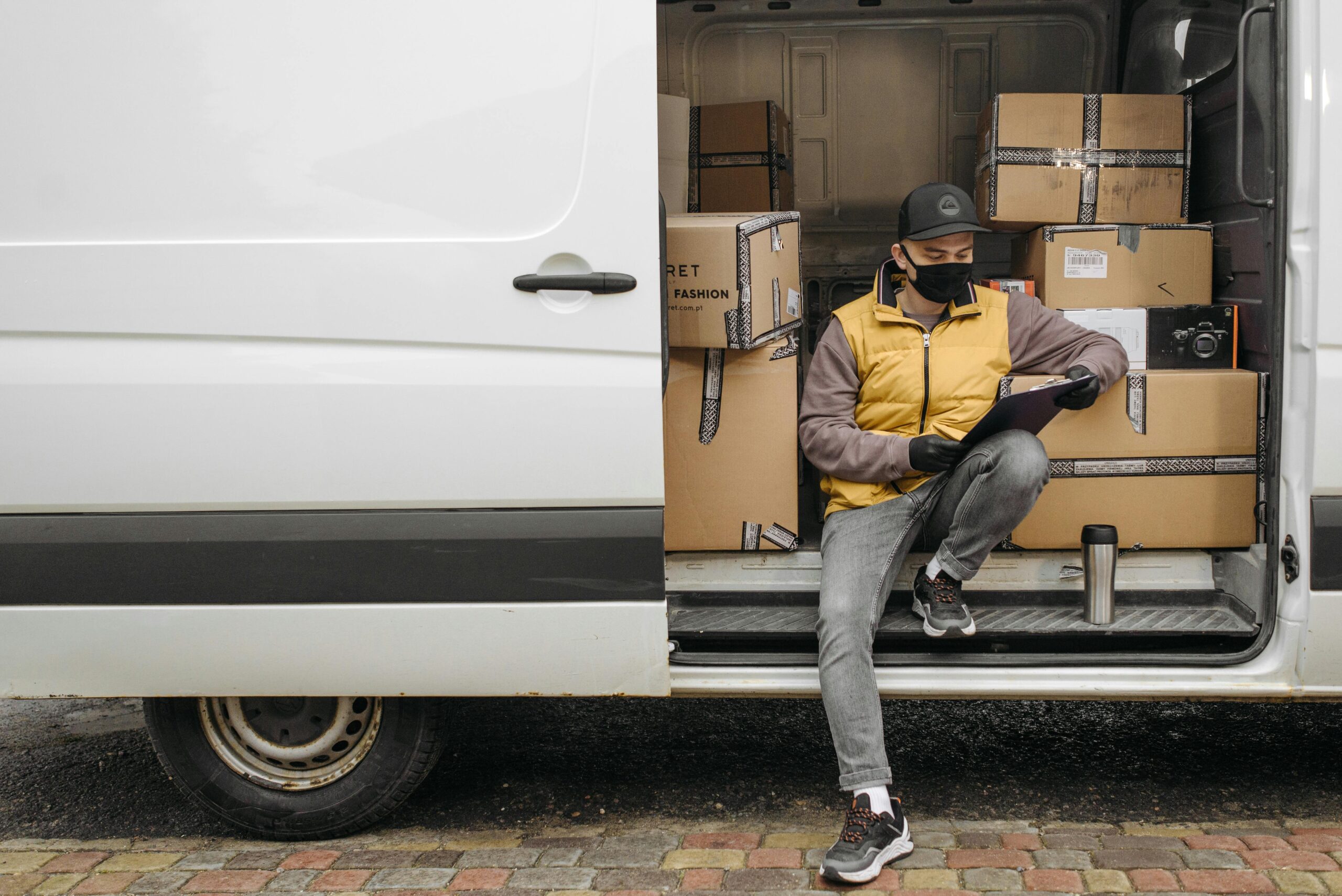
🚀 Taking Action: Your Route to Success
Mastering delivery route sequencing isn’t an overnight transformation but rather a journey of continuous improvement. Start by assessing your current routing processes honestly. Identify the biggest pain points—whether that’s excessive fuel costs, late deliveries, driver complaints, or customer dissatisfaction.
Prioritize quick wins that demonstrate value and build momentum. Even simple improvements like basic geographic clustering or eliminating obvious backtracking can produce noticeable results. These early successes help justify investment in more sophisticated optimization tools and processes.
Invest in the right technology for your operation’s size and complexity. Small businesses with a few drivers may need only basic route planning apps, while large fleets require enterprise-grade optimization platforms with advanced features. Choose solutions that can scale as your business grows.
Remember that technology is a tool, not a magic solution. The most sophisticated software can’t overcome poor data quality, inadequate training, or lack of operational discipline. Combine good technology with sound processes and committed people to achieve transformative results.
Route sequencing excellence creates a competitive moat around your business. When you consistently deliver faster, cheaper, and more reliably than competitors, you win customer loyalty and market share. The efficiency gains flow directly to your bottom line while positioning your business for sustainable growth in an increasingly competitive logistics landscape.
The time to optimize your delivery route sequencing is now. Every day you delay represents lost opportunities—wasted fuel, squandered labor hours, and disappointed customers. By implementing the strategies and principles outlined in this guide, you’ll transform your delivery operations from a cost center into a competitive advantage that drives business success for years to come.