Public spaces shape how we live, work, and connect. When thoughtfully designed and utilized, these areas become powerful catalysts for community vitality, economic growth, and social cohesion.

🌆 The Hidden Value in Our Shared Spaces
Every city, town, and neighborhood contains untapped potential within its public realm. Parks, plazas, sidewalks, community centers, and even parking lots represent opportunities waiting to be unlocked. The challenge facing urban planners, community leaders, and citizens alike is recognizing that maximizing square footage isn’t about cramming more into less space—it’s about creating flexible, multi-functional environments that serve diverse needs throughout different times of day and seasons of the year.
Traditional approaches to public space design often resulted in single-purpose areas that remained underutilized for significant portions of time. A playground sits empty during school hours. A plaza designed for lunchtime crowds becomes desolate after dark. Parking lots occupy prime real estate yet serve vehicles rather than people. By reimagining these spaces through a lens of adaptability and community engagement, we can transform static environments into dynamic hubs of activity.
Strategic Design Principles for Maximum Impact
Creating vibrant public spaces requires intentional design thinking that prioritizes human experience over aesthetic appeal alone. The most successful urban environments balance beauty with functionality, creating places where people naturally want to gather, linger, and return.
Layering Functions Throughout the Day
The concept of temporal layering allows single spaces to serve multiple purposes across different time periods. A town square might host a farmers market on Saturday mornings, provide lunch seating for nearby workers on weekdays, transform into an outdoor cinema on summer evenings, and accommodate festival activities during special events. This approach maximizes utilization rates while creating programming diversity that appeals to various demographic groups.
Successful temporal layering requires infrastructure that supports quick transformations. Moveable furniture, modular stages, flexible electrical systems, and storage solutions for equipment all contribute to spaces that can adapt rapidly to changing needs without permanent structural modifications.
Creating Zones Within Larger Spaces
Large public areas often fail when they lack definition or purpose. By creating distinct zones within broader spaces, designers can accommodate simultaneous activities without conflict. A well-designed park might include an active recreation zone for sports, a quiet contemplation area with seating and landscaping, a social gathering space with tables and shade structures, and a flexible lawn that accommodates everything from yoga classes to picnics.
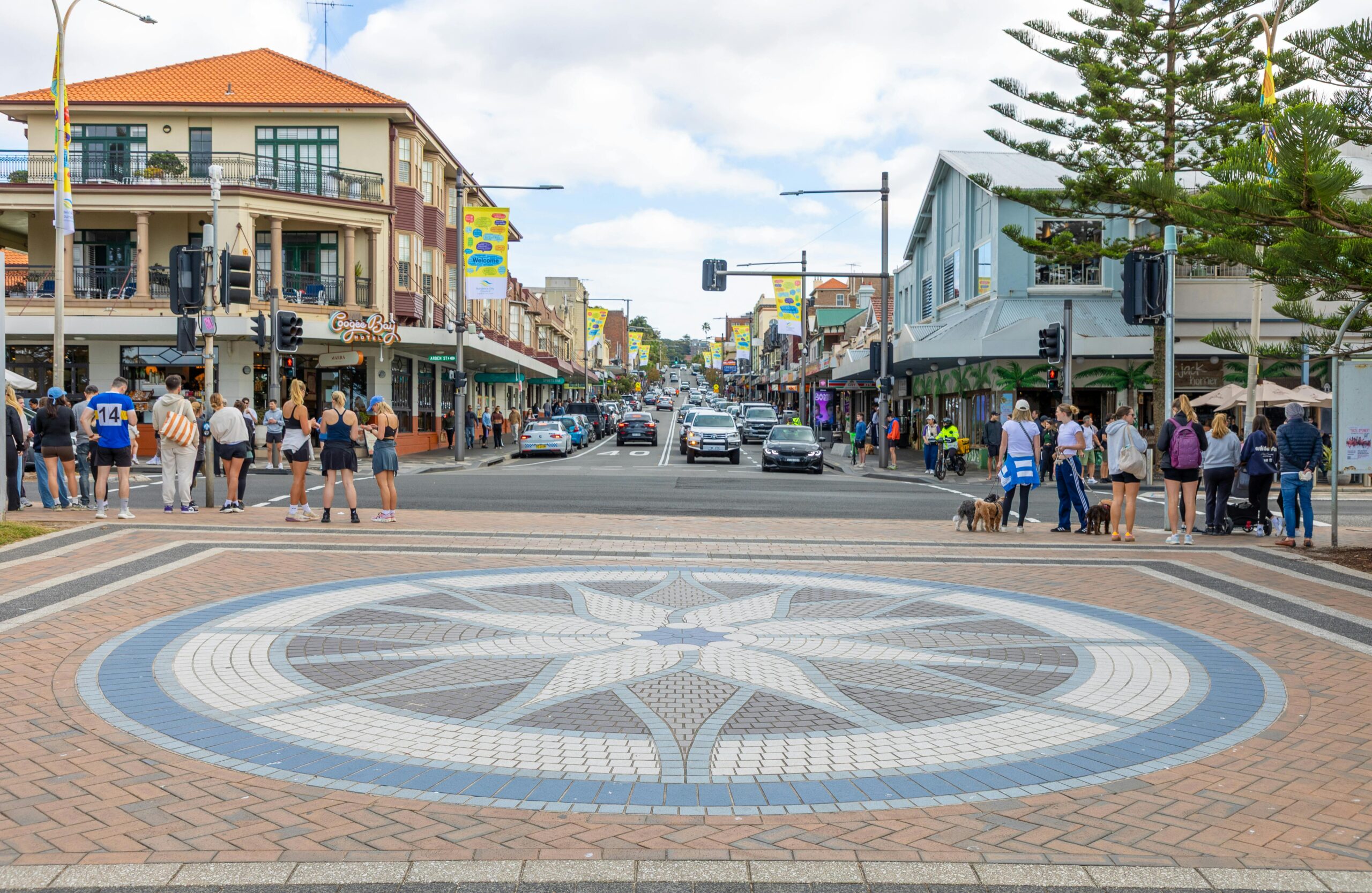
Physical elements like changes in paving materials, strategic planting, level variations, and semi-permanent structures help define these zones while maintaining visual and physical connectivity throughout the space. The goal is creating comfortable territories for different activities without rigid barriers that limit flexibility.
📱 Technology as an Enabler of Space Optimization
Digital tools have revolutionized how communities can maximize public space utilization. Smart city technologies, mobile applications, and data analytics provide insights into usage patterns, enable dynamic programming, and facilitate community participation in unprecedented ways.
Data-Driven Space Management
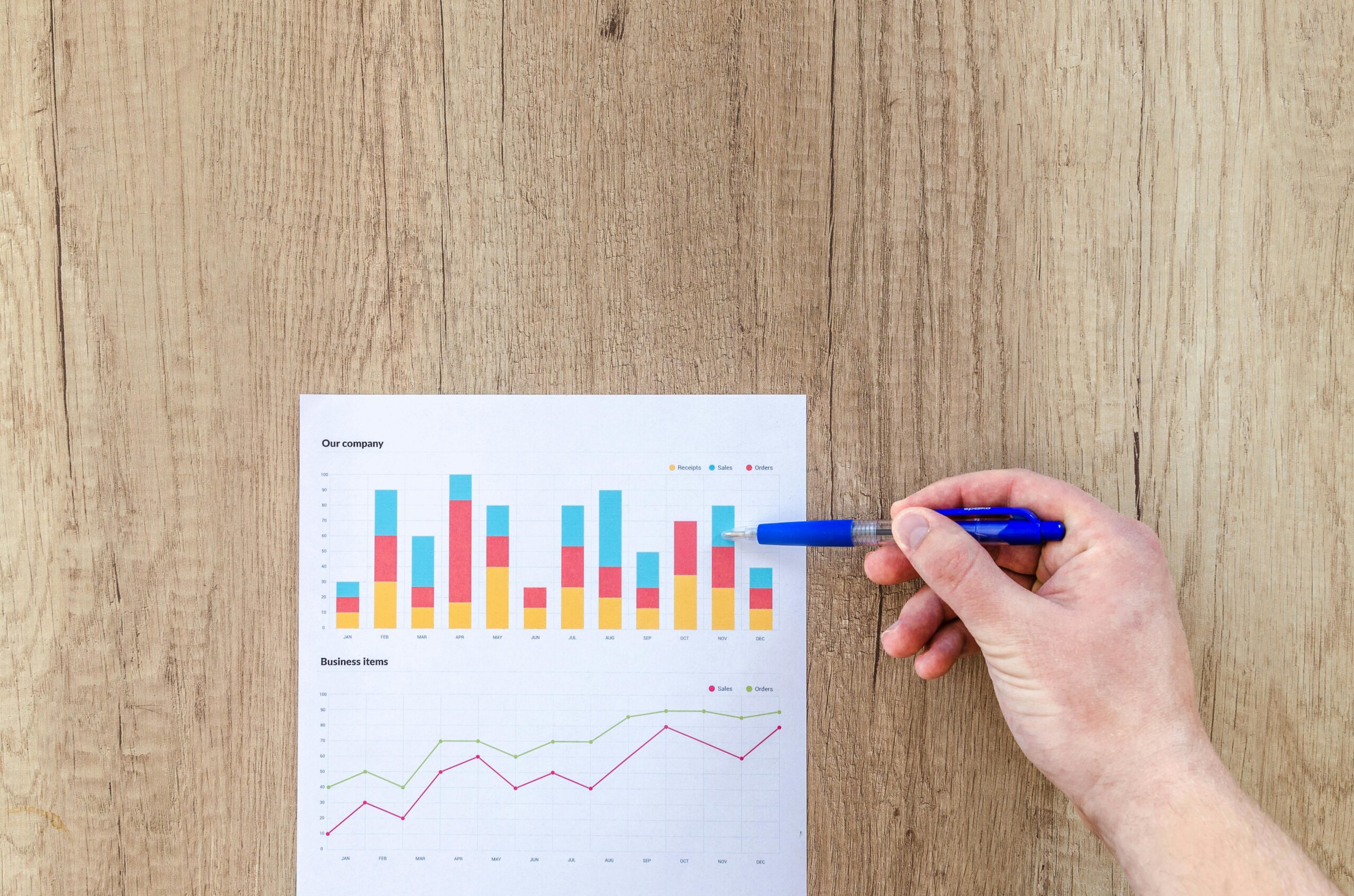
Sensor networks, pedestrian counting systems, and usage tracking technologies help administrators understand when, how, and by whom public spaces are being used. This information drives evidence-based decision making about programming, maintenance schedules, safety measures, and future investments. Rather than relying on assumptions, communities can respond to actual behavior patterns revealed through data collection.
Heat mapping technologies show which areas attract crowds and which remain underutilized, informing targeted interventions. Seasonal and temporal usage patterns reveal opportunities for new programming during identified low-activity periods. Anonymous aggregated data protects privacy while providing actionable insights for space optimization.
Community Engagement Platforms
Digital platforms connect community members with public spaces in new ways, facilitating reservations for group activities, announcing events, gathering feedback, and enabling participatory planning processes. When residents can easily discover what’s happening in their local parks and plazas, utilization increases organically.
Successful community engagement applications provide real-time information about events, amenities, and conditions in public spaces. They might include features for reporting maintenance issues, suggesting improvements, organizing informal gatherings, or coordinating volunteer activities. By lowering barriers to participation, these tools help communities take ownership of shared spaces.
🏙️ Transforming Underperforming Assets
Many communities possess public spaces that underperform due to design flaws, lack of programming, safety concerns, or simply because they’ve been forgotten. Revitalizing these areas represents low-hanging fruit for communities seeking to maximize their spatial assets without acquiring new land.
The Parking Lot Revolution
Surface parking lots represent some of the least efficient uses of urban land, yet they dominate many city centers and suburban areas. Progressive communities are reimagining these spaces through tactical urbanism interventions, temporary installations, and permanent redevelopment.
Parklets—small public spaces created by converting parking spots—demonstrate how minimal interventions can generate significant community value. Weekend street closures transform parking lanes into pedestrian zones, dining areas, or recreation spaces. Painted murals, planters, and seating installations humanize asphalt expanses at low cost. These temporary experiments often lead to permanent changes as communities experience the benefits firsthand.
More ambitious projects convert entire parking lots into mixed-use developments that include ground-level public space, structured parking, and residential or commercial uses above. This vertical integration multiplies the productivity of land while maintaining necessary parking capacity in more efficient configurations.
Reviving Forgotten Corners
Every community has overlooked spaces—vacant lots, underpass areas, alleyways, utility easements—that could serve neighborhood needs if activated thoughtfully. Small-scale interventions in these forgotten corners often yield outsized community benefits by creating gathering spaces within walkable distance of residents who might not access larger parks or plazas.
Community gardens transform vacant lots into productive green spaces that provide food, educational opportunities, and social connection. Pop-up libraries in weatherproof boxes bring books to neighborhoods lacking traditional library access. Murals and street art enliven blank walls and underpass areas while reducing graffiti. Pocket parks with simple amenities like benches and plantings create respite in dense urban environments.
Building Social Infrastructure Through Spatial Design
The physical design of public spaces profoundly influences social interactions and community cohesion. Thoughtful spatial arrangements can encourage connections between diverse groups, foster civic pride, and strengthen the social fabric that underlies resilient communities.
Designing for Chance Encounters
Some of the most valuable social interactions happen spontaneously when neighbors encounter each other in public settings. Design elements that slow pedestrian movement, create comfortable places to pause, and position amenities strategically all increase the likelihood of these beneficial chance encounters.
Benches positioned to facilitate conversation rather than isolation, water features that attract families with children, dog parks that bring pet owners together regularly, and public art installations that spark discussions all contribute to socially productive public spaces. The key is creating comfortable settings where people naturally linger rather than simply passing through.
Inclusive Design for All Ages and Abilities
Truly maximizing public space potential means ensuring accessibility for everyone regardless of age, physical ability, economic status, or cultural background. Universal design principles create environments that accommodate the broadest possible range of users without specialized adaptations.
This includes obvious accessibility features like wheelchair ramps, tactile paving, and accessible restrooms, but extends to subtler considerations like seating variety (different heights, with and without backs, in sun and shade), multi-generational play equipment, quiet zones for those sensitive to sensory overload, and culturally responsive programming that reflects community diversity.
💡 Innovative Programming Strategies
Physical infrastructure alone doesn’t create vibrant public spaces—programming brings them to life. Diverse, well-planned activities attract different audiences, establish regular rhythms of use, and help spaces achieve their full potential as community gathering places.
Creating Consistent Anchors
Regular recurring events establish expectations and habits around public space use. Weekly farmers markets, monthly food truck gatherings, seasonal concert series, or daily exercise classes create dependable rhythms that people incorporate into their routines. These anchor events generate reliable foot traffic that supports additional spontaneous use and commercial activity.
Successful programming calendars balance consistency with variety, offering familiar favorites alongside new experiences that attract first-time visitors. They also consider seasonal variations, weather contingencies, and time-of-day optimization to maintain year-round engagement.
Activating Spaces Through Partnerships
Resource-constrained municipalities can extend their programming capacity by partnering with community organizations, businesses, educational institutions, and cultural groups. These partnerships distribute costs and responsibilities while ensuring programming reflects authentic community interests rather than top-down assumptions.
Local yoga instructors might offer free classes in parks, restaurants could sponsor outdoor dining events, schools might use plazas for educational activities, and cultural organizations could present performances or exhibitions. These partnerships create win-win scenarios where organizations gain visibility and venues while communities gain diverse programming without unsustainable public expenditures.
Economic Benefits of Optimized Public Spaces
Beyond social and cultural value, well-designed and actively used public spaces generate measurable economic benefits for communities. Property values increase near quality public spaces, retail activity grows in vibrant pedestrian environments, and tourism spending concentrates in areas with attractive public realms.
The Property Value Premium
Numerous studies demonstrate that proximity to quality parks, plazas, and public amenities commands price premiums in both residential and commercial real estate markets. This “park premium” reflects buyer willingness to pay more for properties near valued public spaces, translating into increased property tax revenues that help fund ongoing maintenance and improvements.
Strategic public space investments can catalyze broader neighborhood revitalization by signaling municipal commitment to an area, attracting private investment, and improving quality of life indicators that appeal to residents and businesses considering relocation.
Supporting Local Commerce
Pedestrian-oriented public spaces with comfortable gathering areas drive foot traffic that benefits nearby businesses. Outdoor dining areas extend restaurant capacity while animating streets. Public events draw crowds that shop, eat, and explore surrounding districts. Farmers markets and craft fairs provide entrepreneurial opportunities for small vendors while attracting customers who patronize permanent establishments.
Forward-thinking municipalities recognize these economic multiplier effects and design public space strategies that complement rather than compete with commercial activity. Plazas positioned to draw people past storefronts, programming timed to extend business district activity beyond traditional hours, and amenities that encourage lingering all contribute to economically productive public realms.
🌱 Sustainability and Environmental Benefits
Maximizing public space efficiency aligns naturally with environmental sustainability goals. Green infrastructure, permeable surfaces, urban forests, and ecological restoration projects deliver environmental benefits while creating attractive, functional public spaces.
Multi-Functional Green Infrastructure
Rain gardens, bioswales, and constructed wetlands manage stormwater runoff while creating beautiful landscape features. Green roofs on public buildings provide insulation, reduce urban heat island effects, and create accessible outdoor spaces. Street trees improve air quality, provide shade, and make pedestrian environments more comfortable.
These green infrastructure elements serve ecological functions while enhancing the aesthetic and experiential qualities of public spaces. They represent efficient use of land where single interventions deliver multiple benefits simultaneously.
Climate Adaptation Through Smart Design
As climate patterns shift, public spaces must adapt to more extreme weather conditions. Design strategies that provide shade, cooling, and storm resilience ensure spaces remain usable and comfortable throughout longer hot seasons and more frequent extreme weather events.
Water features, shade structures, light-colored paving materials, and strategic tree planting all combat urban heat. Elevated areas and permeable surfaces reduce flooding risks. Flexible spaces can serve as emergency cooling centers or evacuation zones during climate-related disasters, adding another layer of functionality to public investments.
Governance and Maintenance for Long-Term Success
Even brilliantly designed spaces fail without adequate maintenance, responsive management, and governance structures that enable adaptation over time. Sustainable approaches to public space stewardship ensure initial investments deliver lasting community value.
Establishing Clear Maintenance Standards
Nothing undermines public space vitality faster than visible neglect. Broken equipment, overflowing trash receptacles, graffiti, overgrown landscaping, and deferred repairs signal that spaces aren’t valued or cared for, discouraging use and inviting further deterioration.
Successful public space management requires adequate maintenance budgets, clear responsibility assignments, regular inspection schedules, and rapid response protocols for addressing issues. Performance standards and public reporting create accountability while demonstrating municipal commitment to sustained quality.
Adaptive Management and Community Stewardship
The best public spaces evolve based on observed use patterns and community feedback rather than remaining static after initial construction. Adaptive management approaches embrace experimentation, learn from successes and failures, and make incremental improvements over time.
Community stewardship programs engage residents as partners in caring for public spaces through volunteer programs, adopt-a-park initiatives, and participatory governance structures. These programs reduce municipal costs while building community ownership and social capital. When residents feel invested in public spaces, they use them more frequently, monitor them informally, and advocate for continued investment.
🚀 Moving From Vision to Action
Understanding principles for maximizing public space potential means little without practical pathways to implementation. Communities at every scale and resource level can take concrete steps toward more vibrant, efficient public realms.
Starting Small With Tactical Interventions
Large-scale public space transformations require significant time and resources, but tactical urbanism approaches demonstrate what’s possible through quick, low-cost interventions. Temporary installations test ideas before permanent investments, build momentum for larger changes, and deliver immediate community benefits.
Painted crosswalks and intersections, temporary parklets, pop-up plazas, guerrilla gardens, and street furniture installations can be implemented rapidly with modest budgets. These experiments generate community enthusiasm, reveal usage patterns, and provide proof-of-concept for skeptical stakeholders considering more substantial investments.
Building Multi-Sector Coalitions
Transforming public spaces requires coordination across municipal departments, engagement with community stakeholders, partnerships with private entities, and sustained political will. Successful initiatives typically involve diverse coalitions united around shared visions.
Cross-departmental collaboration overcomes bureaucratic silos that often stymie creative public space strategies. Community engagement ensures projects respond to authentic needs rather than planner assumptions. Private partnerships extend limited public resources. Political champions provide necessary support through budget cycles and changing administrations.
The Compound Returns of Strategic Investment
Every square foot of public space represents an opportunity—to strengthen community bonds, support economic vitality, enhance environmental quality, promote public health, and create beauty in daily life. When communities approach these spaces strategically, viewing them as critical infrastructure rather than amenities, the returns on investment multiply across social, economic, and environmental dimensions.
The path forward requires vision that sees potential rather than constraints, creativity that reimagines conventional approaches, and commitment to sustained engagement and maintenance. Communities that maximize their public spaces don’t simply create nicer places—they build stronger, more resilient, more connected societies where people thrive. The potential exists in every plaza, park, and public right-of-way. The question isn’t whether our communities contain untapped spatial resources, but whether we’ll summon the will and wisdom to unlock them for everyone’s benefit.