
Traffic congestion doesn’t stay confined to one street or highway—it spreads like wildfire, impacting entire regions, reshaping daily routines, and challenging urban planners worldwide. 🚗

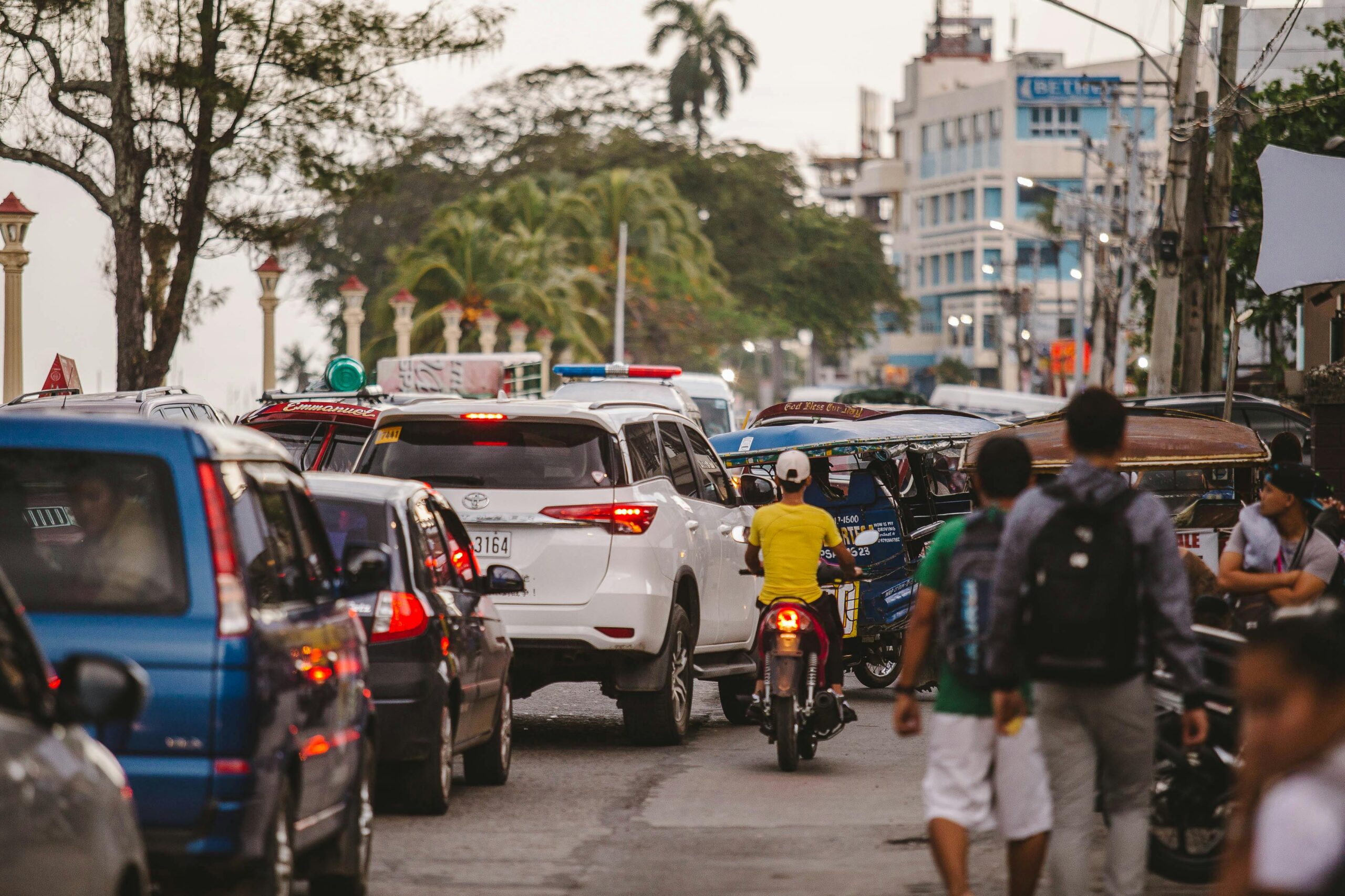
Every morning, millions of commuters experience the frustration of sitting in gridlocked traffic, watching precious minutes tick away. But what many don’t realize is that the congestion they’re experiencing might not have originated where they currently sit idling. Instead, it could be the result of a traffic incident miles away, a phenomenon known as congestion spillover. This ripple effect transforms isolated bottlenecks into widespread transportation challenges that affect communities far beyond the original source of delay.
Understanding congestion spillover is crucial for anyone interested in urban development, transportation policy, or simply making sense of why their commute seems to get worse every year. This phenomenon represents one of the most significant challenges facing modern cities, with implications that extend well beyond transportation into economic productivity, environmental health, and quality of life.
🌊 What Exactly Is Congestion Spillover?
Congestion spillover occurs when traffic delays and bottlenecks on one roadway cascade onto neighboring streets, highways, and entire transportation networks. Think of it like water overflowing from a blocked drain—when one route becomes saturated with vehicles, drivers seek alternative paths, pushing congestion into previously free-flowing areas.
This domino effect happens through several mechanisms. When a major highway experiences congestion, navigation apps redirect thousands of drivers onto secondary roads. Local streets designed for residential traffic suddenly become unofficial detours, carrying volumes they were never designed to handle. The original congestion point acts as a pebble dropped in water, creating expanding circles of delay that touch communities increasingly distant from the source.
Transportation researchers have documented how a single accident on a major freeway can affect traffic patterns up to ten miles away and persist for hours after the initial incident is cleared. This temporal and spatial spreading of congestion represents a fundamental challenge for traffic management systems that traditionally focused on isolated problem areas rather than interconnected networks.
The Hidden Costs Communities Pay 💰
The economic impact of congestion spillover extends far beyond the obvious fuel costs and lost time. Communities experiencing spillover effects face decreased property values, reduced business activity, and diminished quality of life that can persist long after rush hour ends.
Neighborhoods suddenly inundated with cut-through traffic experience noise pollution, reduced pedestrian safety, and accelerated road deterioration. Local businesses suffer as customers avoid areas known for unpredictable traffic delays. Emergency response times increase when ambulances and fire trucks must navigate congested residential streets never designed for such conditions.
A study conducted in major metropolitan areas revealed that communities affected by congestion spillover experienced an average property value decrease of 3-7% compared to similar neighborhoods with stable traffic patterns. This economic penalty disproportionately affects middle and lower-income communities, which often lack the political capital to implement traffic calming measures or resist being used as overflow routes.
Environmental and Health Consequences
The environmental toll of congestion spillover compounds the direct impacts of traffic congestion itself. Vehicles idling in stop-and-go traffic produce significantly more emissions per mile traveled than those moving at steady speeds. When congestion spreads into residential areas, these emissions concentrate in spaces where children play and families live.
Air quality measurements in neighborhoods experiencing chronic spillover congestion show elevated levels of particulate matter, nitrogen oxides, and other pollutants associated with respiratory problems, cardiovascular disease, and developmental issues in children. The health costs accumulate silently, manifesting in increased asthma rates, emergency room visits, and long-term chronic conditions.
🚦 How Modern Commutes Became Unpredictable Journeys
Perhaps the most frustrating aspect of congestion spillover for individual commuters is the unpredictability it introduces into daily travel. Routes that worked perfectly for years suddenly become unreliable as spillover effects shift and change based on variables beyond any single commuter’s control.
This unpredictability forces commuters to add substantial buffer time to their trips, effectively stealing hours from their weeks. Parents must leave earlier for school drop-offs, workers sacrifice sleep or family time to ensure punctual arrivals, and the stress of never knowing how long a familiar journey will take becomes a chronic source of anxiety.
Navigation applications, while helpful in identifying current conditions, can actually exacerbate spillover effects by directing large numbers of drivers onto the same alternative routes simultaneously. What appears as a green, clear path on your phone screen can turn red within minutes as thousands of other drivers receive identical routing suggestions.
The Psychology of Spillover Commuting
The mental health impacts of unpredictable, spillover-affected commutes deserve greater attention than they typically receive. Research in transportation psychology reveals that commute unpredictability creates more stress than consistently long commutes. The inability to plan, the constant need to make real-time routing decisions, and the feeling of helplessness as you watch alternative routes also turn red generates a specific type of chronic stress.
This phenomenon contributes to reduced job satisfaction, increased workplace stress, and strained personal relationships. Time that could be mentally prepared for the workday instead becomes consumed with navigation stress and frustration. The cognitive load of constant route evaluation leaves commuters mentally fatigued before their workday even begins.
🏙️ Urban Planning Faces Its Greatest Challenge
For urban planners and transportation engineers, congestion spillover represents a paradigm shift in how infrastructure projects must be conceived and evaluated. Traditional traffic studies that examined isolated corridors or intersections no longer provide adequate data for understanding system-wide impacts.
Modern urban planning must account for network effects, where seemingly minor changes in one area can produce significant consequences miles away. This requires sophisticated modeling tools, extensive data collection, and a willingness to think beyond traditional jurisdictional boundaries that often divide metropolitan transportation networks into disconnected planning zones.
Smart City Technologies and Data-Driven Solutions
The emergence of smart city technologies offers unprecedented opportunities to understand and manage congestion spillover. Connected traffic signals, vehicle-to-infrastructure communication, and real-time traffic monitoring create data streams that reveal spillover patterns invisible to traditional observation methods.
Cities implementing comprehensive traffic management systems can now identify spillover effects as they develop and respond with dynamic signal timing, variable message signs, and coordinated incident response. These systems work best when they span entire metropolitan regions rather than stopping at city or county boundaries where administrative jurisdictions end but traffic networks continue.
However, technology alone cannot solve spillover congestion. The data must inform policy decisions about land use, transit investment, and road network design. Cities that combine smart infrastructure with strategic planning see the greatest success in managing spillover effects.
Innovative Approaches Cities Are Taking 🔧
Progressive cities worldwide are implementing creative solutions to address congestion spillover, moving beyond simply adding lanes or building new roads—approaches that often generate additional traffic rather than reducing congestion.
Congestion pricing, successfully implemented in London, Singapore, and Stockholm, reduces traffic volumes in central areas and prevents the spillover congestion that occurs when downtown areas become gridlocked. By making drivers pay for the external costs their trips impose on others, these systems encourage shifted travel times, alternative routes during less congested periods, or mode shifts to transit.
Transit-Oriented Development and Mode Shift Strategies
Perhaps the most effective long-term solution to congestion spillover involves reducing the number of single-occupancy vehicle trips altogether. Cities investing heavily in public transit, bicycle infrastructure, and pedestrian-friendly design create viable alternatives that can absorb trips that would otherwise contribute to spillover congestion.
Transit-oriented development concentrates housing and employment near high-quality transit stations, allowing residents to live car-free or car-light lifestyles. These developments reduce the baseline traffic volumes that make networks vulnerable to spillover effects when incidents occur.
Cities like Copenhagen and Amsterdam demonstrate how comprehensive bicycle infrastructure can shift significant percentages of trips away from cars, creating transportation systems more resilient to spillover effects because fewer vehicles mean more spare capacity when problems arise.
🗺️ The Regional Coordination Imperative
Effective management of congestion spillover requires coordination across jurisdictional boundaries that often divide metropolitan areas into competing municipalities. Traffic doesn’t stop at city limits, yet transportation planning, funding, and implementation frequently do.
Metropolitan planning organizations play crucial roles in coordinating regional transportation strategies, but they often lack the authority or resources to implement comprehensive spillover management approaches. Successful spillover mitigation requires data sharing, coordinated signal timing, unified incident response protocols, and integrated transit systems that span entire regions.
Some regions have created innovative governance structures that allow coordinated management of transportation networks. These range from informal cooperation agreements to formal regional transportation authorities with dedicated funding and implementation power.
Learning from International Examples
International examples provide valuable lessons for addressing spillover congestion. Tokyo’s comprehensive approach combines massive transit investment with careful coordination between rail operators, sophisticated traffic management, and land use policies that cluster density near transit stations. The result is a metropolitan area of 38 million people with manageable congestion levels.
European cities often demonstrate how comprehensive approaches involving transit, cycling infrastructure, pedestrian zones, and limited parking supply can create transportation systems where spillover effects, while present, don’t dominate the commuting experience.
Individual Strategies for Navigating Spillover Realities 🧭
While systemic solutions require policy changes and infrastructure investment, individuals can adopt strategies to minimize how spillover congestion impacts their lives. Flexibility in work hours, when possible, allows commuters to avoid peak spillover periods when network-wide congestion reaches maximum intensity.
Building genuine multimodal capability—being comfortable with transit, cycling, or walking for at least some trips—provides resilience against spillover-affected routes. Even occasional use of alternatives reduces the personal vulnerability to traffic unpredictability.
For those who must drive, understanding your region’s spillover patterns helps with strategic route planning. Some alternative routes handle spillover traffic better than others due to capacity, signal timing, or geometric design. Local knowledge combined with real-time information creates the best navigation strategy.
🌟 Reimagining Transportation Networks for Spillover Resilience
Looking forward, the most successful cities will be those that design transportation networks specifically for resilience against spillover effects. This means building redundancy into systems, creating truly multimodal networks where people can seamlessly shift between transportation modes, and implementing pricing mechanisms that reflect the true costs of driving.
The future may include autonomous vehicles that communicate with infrastructure and each other, potentially reducing the cascading effects that create spillover congestion. However, technology solutions work best when combined with fundamental changes in how we design cities and allocate road space.
Transit investment, density-appropriate development patterns, and comprehensive cycling infrastructure don’t just reduce congestion—they create more livable, sustainable, and economically vibrant communities. The cities that thrive in coming decades will be those that view congestion spillover not as an inevitable nuisance but as a symptom of transportation systems that need fundamental reimagining.
Building Momentum for Change 🚀
Addressing congestion spillover requires political will, sustained investment, and patience as solutions take years or decades to fully implement. Building public support for necessary changes requires clear communication about both problems and solutions, demonstrating how investments benefit communities beyond simply reducing traffic.
Successful advocacy connects transportation improvements to broader community goals: better air quality, safer streets for children, more efficient emergency response, economic development, and enhanced quality of life. When transportation planning integrates with these larger objectives, it gains support beyond the transportation advocacy community.
Every person stuck in spillover congestion has a stake in better solutions. Converting that frustration into constructive engagement with local planning processes, support for comprehensive transportation funding, and willingness to embrace changes like transit-oriented development or congestion pricing can accelerate progress toward more resilient, equitable, and efficient transportation networks.
The ripple effects of congestion spillover touch virtually everyone in modern metropolitan areas. Understanding these impacts represents the first step toward creating transportation systems that serve community needs rather than generating cascading delays. The solutions exist, proven in cities worldwide. What remains is building the political will and making the sustained investments necessary to transform how we move through our cities, creating places where spillover congestion becomes a historical curiosity rather than a daily frustration.