Walking slower might sound counterintuitive in our fast-paced world, yet this simple practice holds remarkable potential for transforming your physical health, mental clarity, and overall quality of life.

In an era where productivity and speed dominate our daily routines, we’ve forgotten the profound benefits of simply slowing down. Our walking pace reflects our lifestyle—rushed, distracted, and often disconnected from our bodies and surroundings. But what if the key to better health wasn’t found in high-intensity workouts or complex wellness programs, but rather in the deliberate act of putting one foot in front of the other at a gentler rhythm?
This article explores the science-backed benefits of reducing your walking speed, from cardiovascular improvements to enhanced mindfulness, and provides practical strategies for incorporating this transformative practice into your daily life. Whether you’re dealing with chronic stress, seeking better balance, or simply wanting to feel more grounded, slowing your steps might be the lifestyle adjustment you’ve been searching for.
🧠 The Neuroscience Behind Slower Movement
When we deliberately slow our walking pace, we activate different neural pathways than those engaged during rushed movement. Research in neuroscience reveals that slower, more intentional movements stimulate the parasympathetic nervous system—our body’s natural relaxation response. This shift counteracts the chronic stress response that plagues modern society.
The prefrontal cortex, responsible for executive function and mindfulness, shows increased activity when we walk with conscious awareness at a reduced speed. This heightened activation enhances our ability to process emotions, make better decisions, and maintain present-moment awareness throughout the day.
Furthermore, slower walking increases proprioception—your body’s ability to sense its position in space. This heightened body awareness creates stronger mind-body connections, improving coordination and reducing the risk of falls, particularly important as we age. The deliberate pace allows your brain to better integrate sensory information from your muscles, joints, and vestibular system.
❤️ Cardiovascular Benefits You Might Not Expect
While vigorous exercise certainly has its place, slower walking offers unique cardiovascular advantages that complement more intense activities. Studies have shown that moderate-paced walking can be just as effective as faster walking for improving heart health markers, particularly for individuals with existing cardiovascular conditions or those new to exercise.
The reduced intensity allows for longer duration activities without excessive strain. This extended engagement provides sustained cardiovascular stimulation, improving circulation and promoting vascular health. Your heart doesn’t need to work in overdrive to benefit from movement—consistency and duration often matter more than speed.
Additionally, slower walking helps regulate blood pressure more effectively than intermittent high-intensity bursts for many people. The steady, sustained effort promotes better arterial flexibility and reduces inflammation markers associated with heart disease. For those recovering from cardiac events or managing hypertension, slower walking often serves as an ideal therapeutic intervention.
🌿 Mindfulness in Motion: Walking as Meditation
Ancient contemplative traditions have long recognized walking as a powerful meditation practice. Zen Buddhist monks practice kinhin—slow, deliberate walking meditation—between periods of seated meditation. This practice isn’t merely a break from sitting; it’s considered equally valuable for developing presence and awareness.
When you slow your walking speed, you create space for mindfulness to emerge naturally. Each step becomes an anchor point for attention, similar to focusing on breath during traditional meditation. You begin noticing the subtle sensations of heel striking ground, weight transferring forward, and the complex coordination required for this seemingly simple act.
This walking meditation practice cultivates what psychologists call “open monitoring awareness”—a receptive attention to whatever arises in your experience without judgment. As thoughts emerge during your slow walk, you can acknowledge them and gently return attention to the physical sensations of walking, developing mental flexibility and emotional regulation skills that extend far beyond your walking practice.
🦵 Physical Benefits: Strength, Balance, and Flexibility
Paradoxically, slower walking can build strength more effectively than rushed movement in specific contexts. When you walk slowly with intention, you engage stabilizing muscles more consistently. These smaller muscle groups, often underutilized during faster movement, play crucial roles in joint stability and injury prevention.
Balance improvement represents another significant benefit of reduced walking speed. The additional time spent on each leg during slow walking challenges your proprioceptive system and strengthens the neural pathways responsible for maintaining equilibrium. This becomes increasingly important with age, as fall prevention becomes a primary health concern for older adults.
Flexibility also improves through slow, mindful walking. The deliberate pace allows for fuller range of motion in your ankles, knees, and hips. You can consciously extend each stride slightly, gently stretching connective tissues and maintaining joint mobility. This approach to flexibility development feels less forced than traditional stretching routines and integrates naturally into daily life.
🧘 Stress Reduction Through Deliberate Movement
The stress-reducing effects of slower walking extend well beyond simple exercise benefits. When you consciously reduce your pace, you send powerful signals to your nervous system that it’s safe to relax. This physiological shift triggers a cascade of beneficial changes: cortisol levels decrease, muscle tension releases, and breathing naturally deepens and slows.
Research comparing different walking speeds found that participants who walked at a self-selected slow pace reported significantly greater reductions in anxiety and rumination compared to those walking at moderate or fast speeds. The slower pace facilitated a mental shift away from problem-solving mode into a more receptive, observational state of consciousness.
This stress management technique offers particular value because it’s accessible virtually anywhere, requires no special equipment, and can be integrated into existing routines. A five-minute slow walk before an important meeting, during a work break, or as an evening wind-down ritual can dramatically shift your stress levels and mental state.
👀 Enhanced Awareness of Your Environment
Our typical walking pace often renders our surroundings into a blur—mere background for wherever we’re rushing to reach. Slowing down transforms walking from pure transportation into an opportunity for genuine connection with your environment. You begin noticing architectural details, seasonal changes in vegetation, the play of light and shadow, and the intricate web of life surrounding you.
This enhanced environmental awareness carries practical benefits beyond aesthetic appreciation. You become more alert to potential hazards, improving safety. You notice opportunities for social connection—a neighbor’s greeting that you might otherwise miss. You develop a deeper sense of place and belonging within your community.
Nature connection particularly flourishes at slower speeds. Birdwatchers and naturalists have always known that stillness and slow movement reveal wildlife behaviors invisible to hurried observers. Even in urban environments, slowing down helps you notice the surprising biodiversity existing alongside human spaces—birds nesting in building crevices, insects pollinating street-side plants, and the resilient green life persisting in unexpected places.
⏰ Practical Strategies for Slowing Your Pace
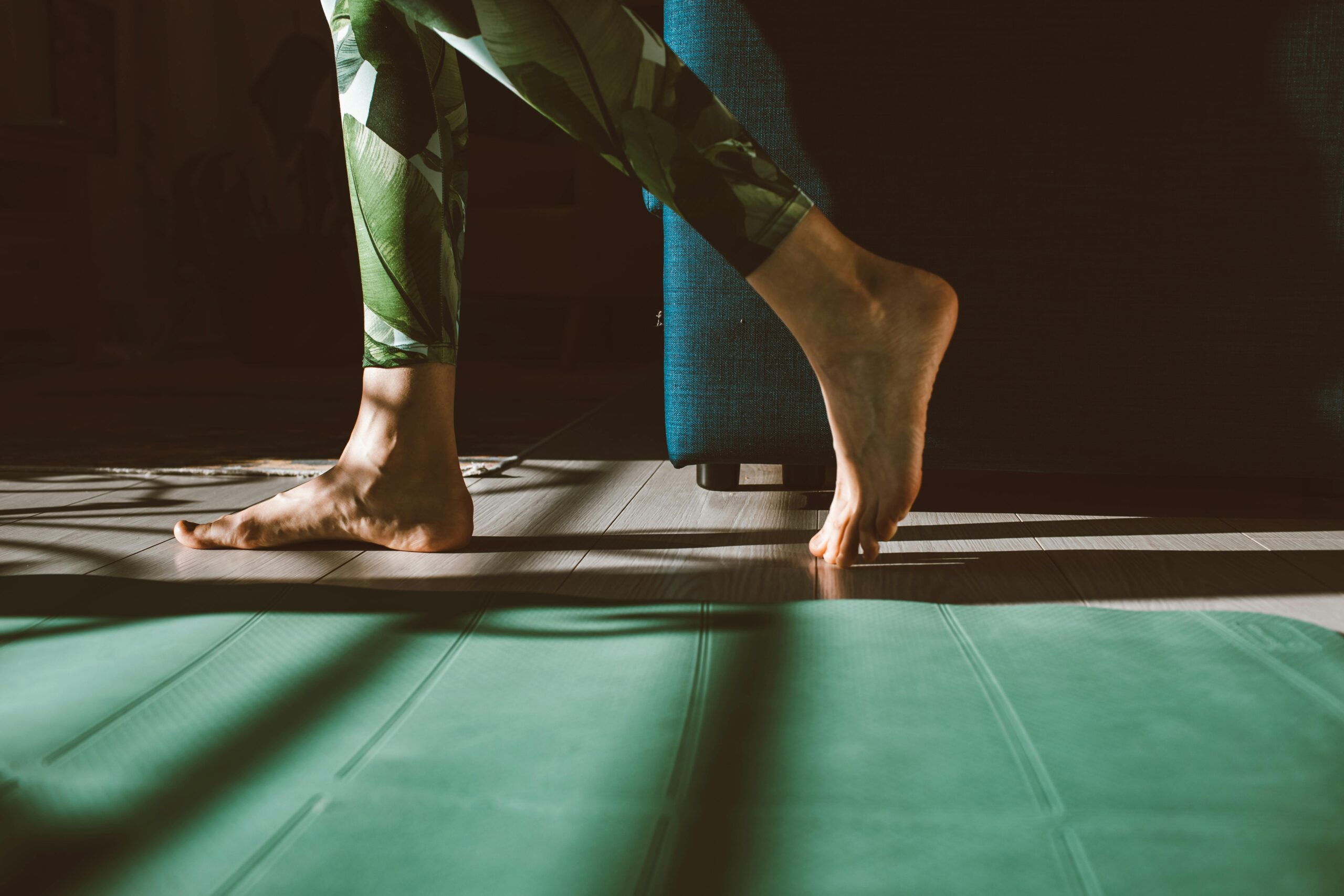
Transitioning to a slower walking practice requires intention, especially when years of rushing have programmed your default pace. Start by designating specific walks as “slow walks”—perhaps a morning routine or evening stroll where speed isn’t a factor. This prevents the frustration of feeling behind schedule while you’re still developing the practice.
Use counting techniques to regulate your pace. Try counting to three or four with each step, or synchronize steps with slow, deep breaths—inhaling for four steps, exhaling for four steps. This rhythmic approach naturally regulates speed while adding a meditative quality to the movement.
Consider walking in settings that encourage slower movement. Labyrinth walking, popular in many parks and meditation centers, provides a defined path that removes destination-orientation from walking. Nature trails, gardens, and quiet neighborhoods offer better environments for slow walking than busy urban sidewalks where crowd flow pressures you to maintain a certain pace.
📱 Technology as Support for Mindful Walking
While the goal of slow walking involves disconnecting from constant stimulation, certain technologies can support rather than distract from the practice. Mindfulness apps often include guided walking meditation sessions that help beginners develop the practice with expert instruction.
For those interested in structured guidance, meditation apps provide walking meditation timers and instructions. These resources can be particularly valuable when you’re first establishing the practice and need external support to maintain slower speeds and mindful awareness.
Step counters and fitness trackers can also be repurposed for slow walking practice. Rather than focusing on speed or intensity metrics, use them simply to track consistency—celebrating that you completed your daily slow walk regardless of distance or pace. This shifts the achievement from performance to presence.
🌍 Cultural Perspectives on Walking Speed
Walking speed varies dramatically across cultures, offering valuable insights into how pace affects wellbeing. Mediterranean cultures, known for their longevity and lower stress levels, typically maintain slower daily rhythms, including walking speeds. The Italian concept of “la passeggiata”—an evening stroll purely for pleasure and social connection—embodies this slower approach to movement.
In contrast, research has found correlations between faster walking speeds in cities and higher rates of stress-related illness. The pace of life in major metropolitan areas, reflected in walking speeds, creates a feedback loop: rushed movement reinforces rushed thinking, which drives rushed behavior in all domains of life.
Japanese culture offers another instructive example through forest bathing or “shinrin-yoku”—a practice involving slow, immersive walks in nature specifically prescribed for stress reduction and health maintenance. This practice, now supported by substantial scientific research, demonstrates how cultural wisdom about slow movement aligns with modern health science.
🔄 Integrating Slow Walking Into Daily Life
The real transformation happens when slow walking moves from occasional practice to integrated lifestyle element. Start by identifying natural opportunities in your existing routine. Instead of rushing from your car to the office entrance, use that transition as a minute of mindful, slow walking. Transform the walk to your mailbox into a brief meditation.
Create rituals around slow walking. A morning slow walk, even just five minutes before breakfast, sets a calm, centered tone for the entire day. An evening slow walk serves as a transition ritual, helping you shed work stress and shift into personal time. These bookend practices frame your day with intentional slowness.
Invite others into the practice. Slow walks with friends or family create opportunities for deeper conversation and connection. The reduced pace facilitates eye contact and attentive listening in ways that faster movement prevents. Children particularly benefit from slow walks, which match their natural inclination to explore and wonder at their surroundings.
💡 Overcoming Resistance and Common Challenges
Despite the benefits, many people encounter resistance when attempting to slow their walking pace. Our productivity-obsessed culture has conditioned us to equate slowness with laziness or inefficiency. Recognize these thoughts as cultural conditioning rather than truth. Slowing down isn’t about doing less—it’s about being more present in what you’re doing.
Impatience often arises during early slow walking practice. Your mind may protest, generating thoughts about everything else you “should” be doing. Treat this as valuable information about your stress levels and relationship with busyness rather than a reason to quit the practice. The discomfort reveals exactly why you need the practice.
Physical discomfort can also emerge, particularly if you’re accustomed to faster movement. Very slow walking uses muscles differently than normal-paced walking. Start with shorter slow walking sessions and gradually increase duration as your body adapts. If discomfort persists, consult a physical therapist to ensure you’re using proper form.
🎯 Measuring Success Beyond Speed and Distance
Traditional fitness metrics focus on speed, distance, and intensity—measurements that miss the point of slow walking practice. Instead, develop qualitative measures of success. How present did you feel during your walk? How much did you notice? How did your mental state shift from beginning to end?
Keep a simple walking journal, noting not miles covered but moments observed. Did you notice anything new along a familiar route? What thoughts arose and released? How did your body feel? This qualitative tracking reveals progress that quantitative data misses entirely.
Notice how slow walking practice influences other areas of life. Do you find yourself rushing less throughout the day? Are you more patient in conversations? Do you feel more grounded and less reactive to stressors? These spillover effects represent the true measure of practice success—a fundamental shift in how you move through the world.
🌟 The Ripple Effect: How Slowing Down Transforms Everything
Perhaps the most profound aspect of slowing your walking speed isn’t the direct benefits to health and wellbeing, but rather how this single practice catalyzes broader lifestyle changes. When you prove to yourself that slowing down in one area enhances rather than diminishes your life, you become more willing to question other areas where speed dominates.
Slow walking becomes a gateway to other contemplative practices—mindful eating, slower speech, deliberate breathing. It demonstrates that presence, not productivity, holds the key to satisfaction. This realization fundamentally challenges the acceleration narrative dominating modern life.
The practice also cultivates patience and acceptance—qualities desperately needed in our instant-gratification culture. Each slow walk trains you to be comfortable without constant stimulation or achievement. This capacity for contentment in simple movement represents a radical act of resistance against consumer culture’s insistence that happiness lies in the next purchase, achievement, or destination.
As you continue this practice, you may find your values shifting. Achievement and accumulation lose their compulsive grip. Presence and connection become organizing principles. You discover that the richest life isn’t found in rushing toward some imagined future, but in fully inhabiting each moment—including the simple, profound act of placing one foot mindfully in front of the other. 🌱